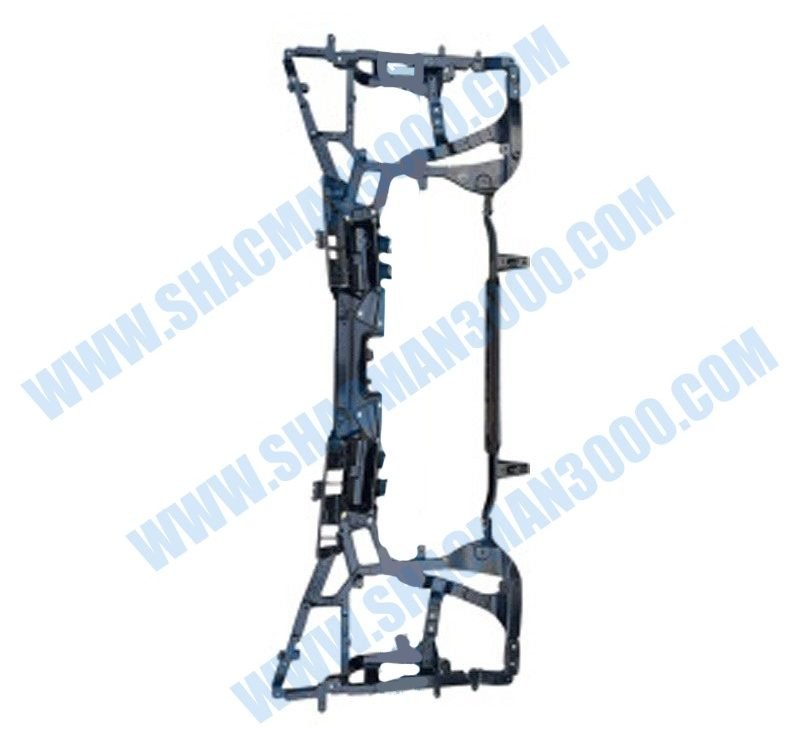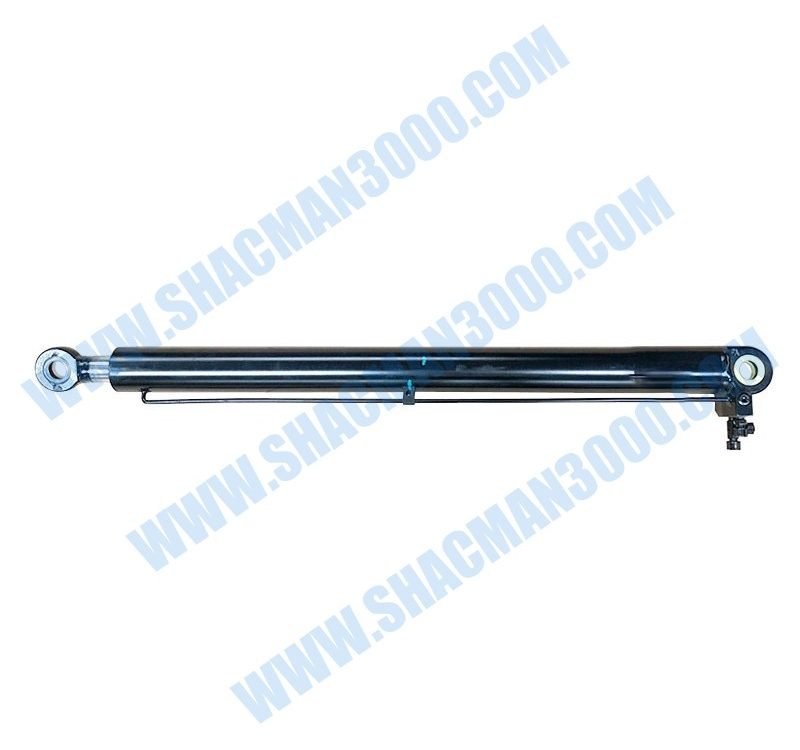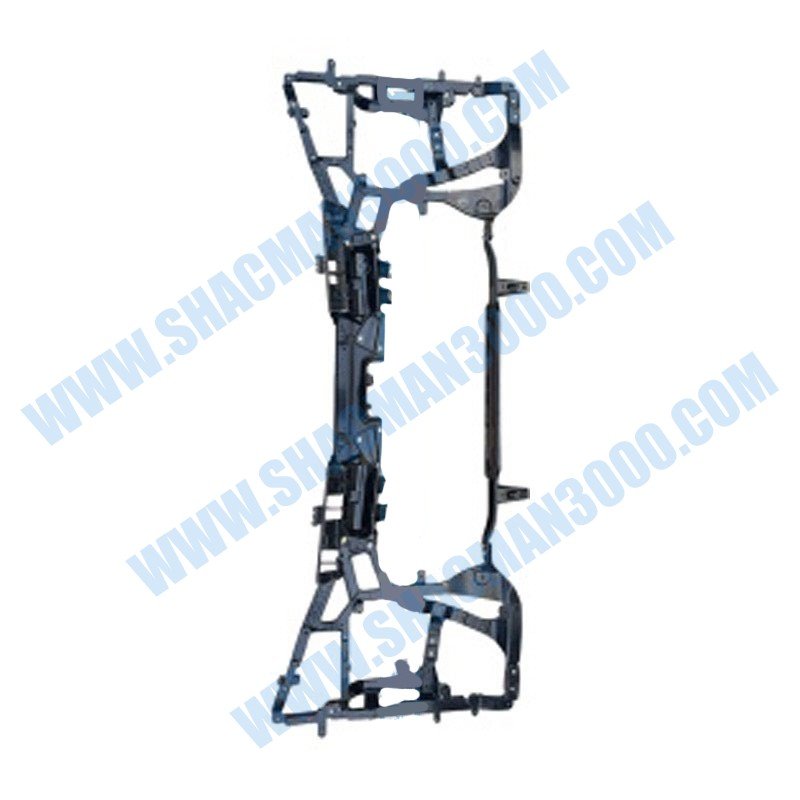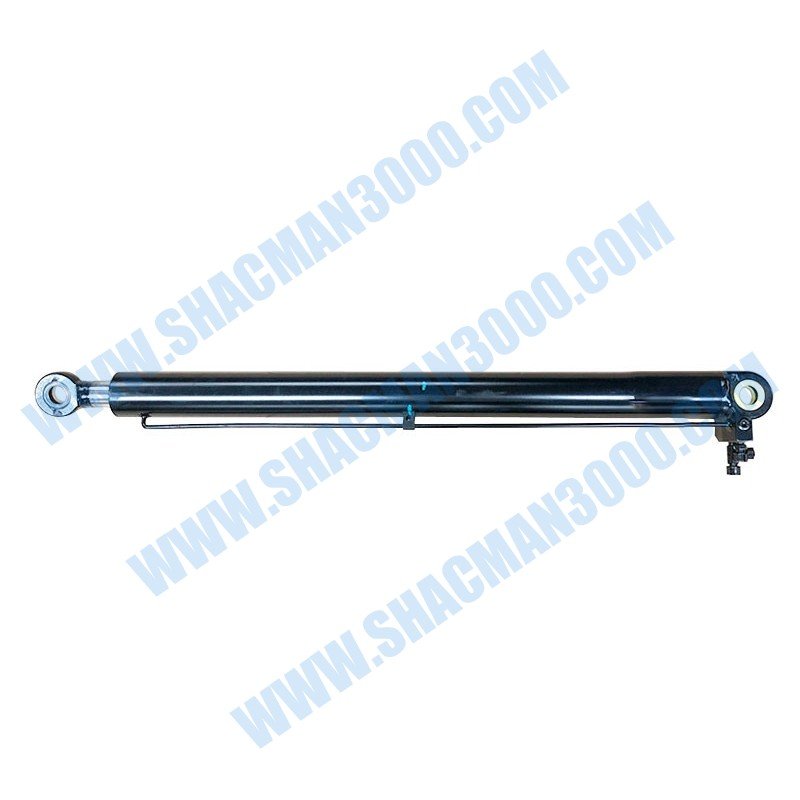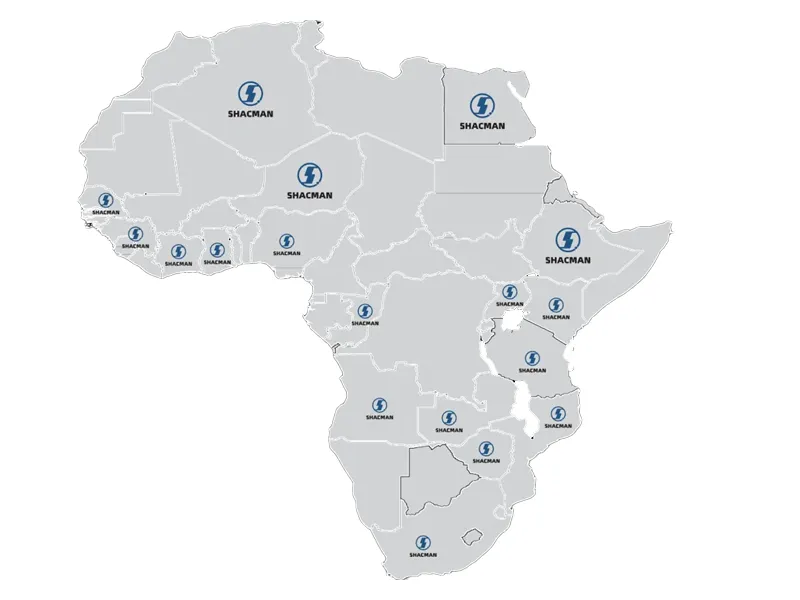
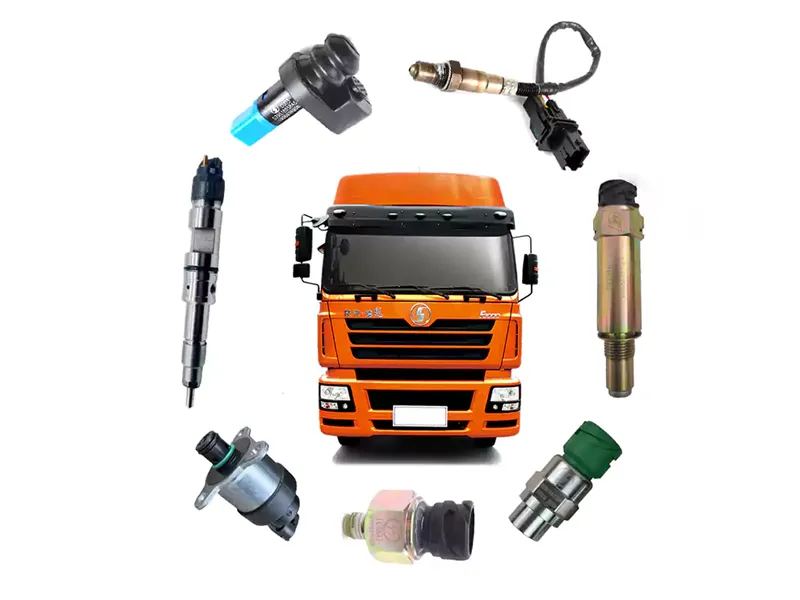
The supply network for these components is vast and dynamic. Robust demand is driven by the trucks’ popularity across the continent. A mix of official channels and independent markets fuels availability. Key hubs in South Africa, Nigeria, and Kenya act as major distribution centers. Understanding this ecosystem is crucial for fleet operators and mechanics. The market continues to expand each year.
Growth is supported by Shacman’s cost-effectiveness and durability. Parts sourcing requires knowledge of local hubs and trusted suppliers. This network is a critical logistics backbone. It ensures millions of trucks remain operational on challenging roads.
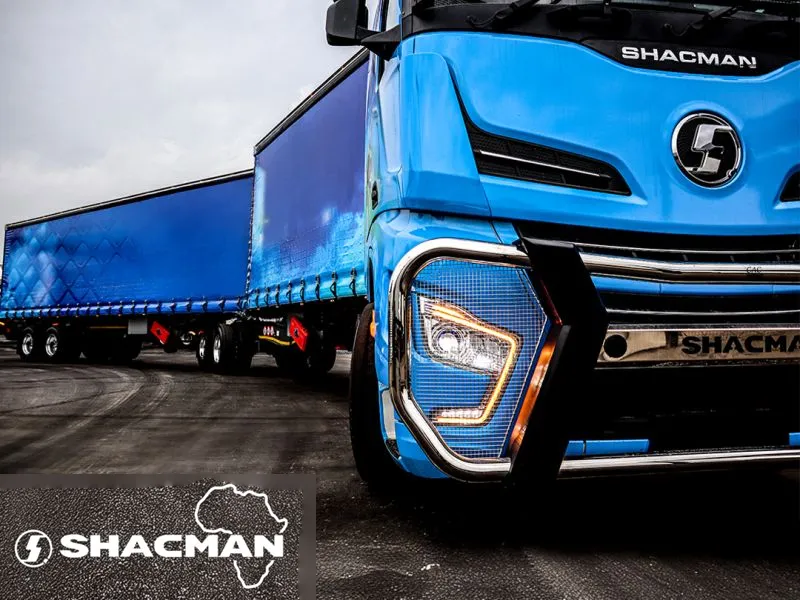
African Shacman Parts
Official channels are the primary source for genuine components. These dealers provide certified parts with warranty support.
They are essential for complex components like ECUs and engine assemblies. Major distributors operate in South Africa, Nigeria, and Kenya.
This network through official hubs ensures reliability. It supports the growing fleet of trucks across Africa.
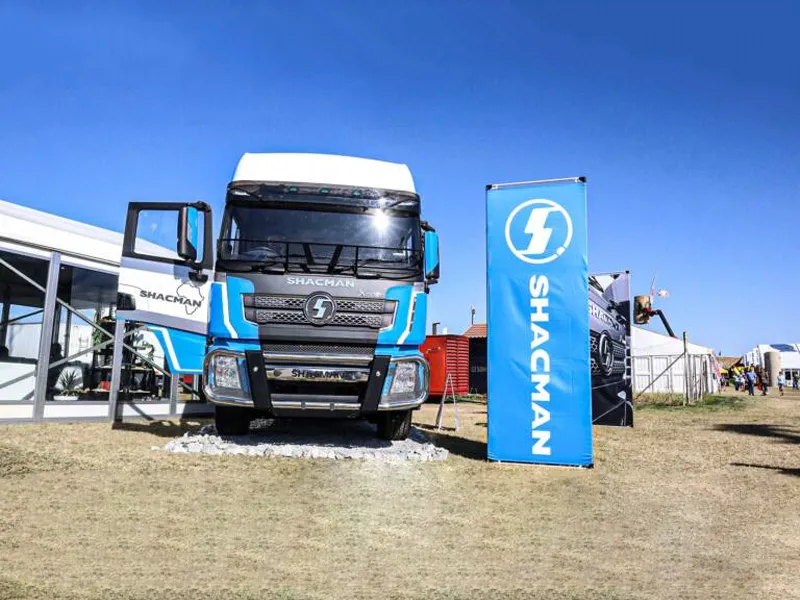
These shops are ubiquitous in African urban centers. They supply fast-moving components like filters and brake pads.
Prices are often competitive, and availability is quick. They stock both OEM and aftermarket components.
The role of these shops in the ecosystem is vital. They serve local mechanics and small fleet owners efficiently.
Digital platforms transform the trade of these components. Facebook and WhatsApp groups are incredibly active.
Buyers and sellers connect directly, offering wide selections. Caution is needed to verify seller credibility when purchasing.
This channel expands access to rare components. It is a testament to the market’s adaptation to technology.
The supply is concentrated in key geographic hubs. These hubs facilitate logistics and distribution across regions.
Johannesburg is the largest hub for these components. Areas like Denver and Germiston host numerous suppliers.
It serves Southern Africa with a vast inventory. Both genuine and aftermarket options are available here.
Lagos is a central point for these components in West Africa. Markets like Aspanda are bustling with activity.
The demand here is immense due to large fleet operations. It is a critical supply node.
Nairobi’s River Road area is famous for these components. It serves Kenya and neighboring countries.
The hub supports the transport corridor with essential parts. Availability is generally good for common items.
Certain components are consistently in high demand. This reflects the common maintenance needs of Shacman trucks.
Fuel injectors, turbochargers, and gasket sets are top sellers. These parts keep engines running smoothly.
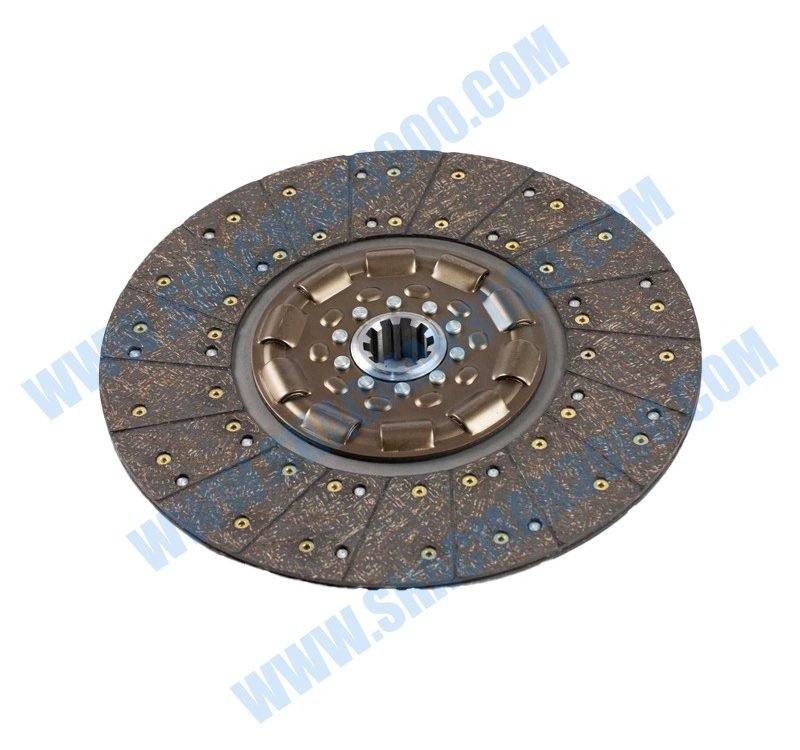
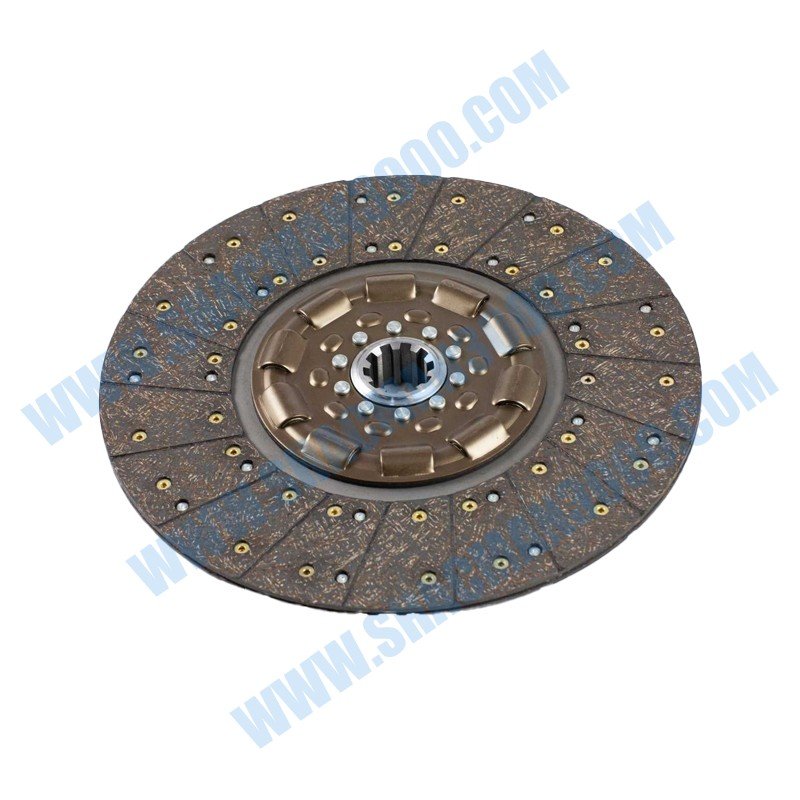
Clutch kits and gear sets are frequently needed. The rugged use of trucks drives demand for these components.
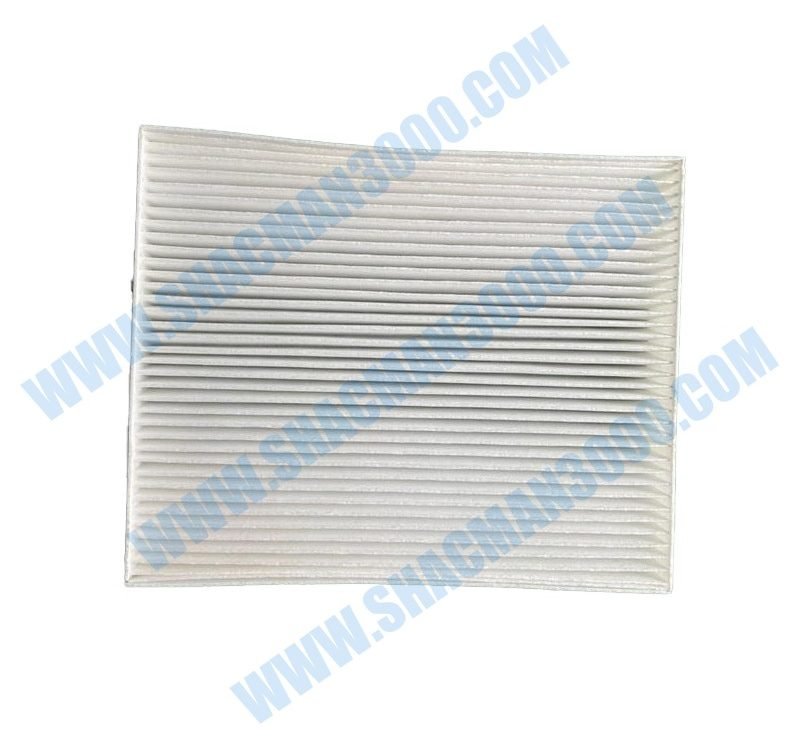
Oil, fuel, and air filters are constant bestsellers. These items require regular replacement.
Alternators, starters, and wiring harnesses are key. The electrical system relies on quality components.
The market faces several challenges. These issues affect supply chain efficiency and reliability.
The influx of fake components is a major concern. These parts fail quickly and cause operational downtime.
Buyers must verify authenticity through trusted suppliers. The reputation depends on quality control.
Efforts to combat counterfeits are ongoing across the network. Education is key for end-users.
Importing components can face bureaucratic hurdles. Customs clearance varies by country and causes delays.
This affects the timely availability. Local stocking helps mitigate these issues.
The supply chain requires efficient logistics partners. Improvements are gradually being made.

The future of supply looks promising. Several trends are shaping the market’s evolution.
More local assembly of Shacman trucks may boost parts localization. This will enhance the supply chain.
Regional warehouses will reduce lead times. This trend supports market growth.
Online platforms will become more sophisticated. Mobile apps may streamline ordering and tracking.
This digital shift will make components more accessible. It will also improve market transparency.
Partnerships between suppliers will improve the network. Quality certifications will gain importance.
This will help ensure that parts meet high standards. Buyers will benefit from increased reliability.
The supply situation is dynamic and resilient. A multi-channel approach defines the market.
From official dealers to local shops, components are accessible. Key hubs ensure distribution across the continent.
Challenges like counterfeits exist, but awareness is growing. The future points towards more digital and localized supply chains.
For anyone in the transport sector, understanding this market is essential. It ensures operational continuity and cost management.
To explore detailed specifications and part numbers for Shacman trucks, learn more on our dedicated resource platform.