Shacman ABS Sensor
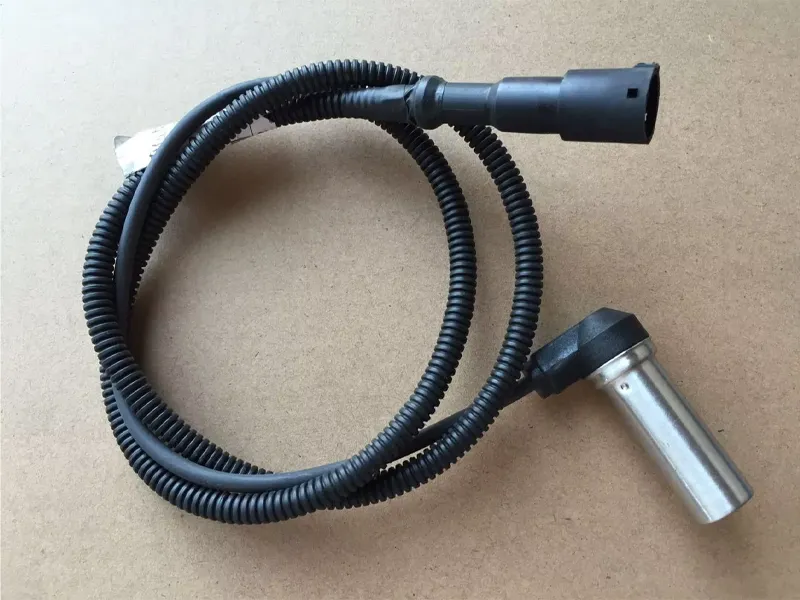
The Shacman ABS sensor is a critical component in heavy-duty trucks, ensuring anti-lock braking system functionality for safety. In demanding operations, such as construction or mining, these sensors face harsh conditions. Common issues like signal loss or wiring faults can lead to ABS failure, impacting vehicle control. This guide dives deep into Shacman ABS sensor problems and solutions, offering practical fixes for truck owners and mechanics. Understanding the Shacman ABS sensor maintenance can prevent costly downtime and accidents. We’ll explore physical faults, electrical issues, diagnostics, and key tips. By addressing these, you can keep your Shacman truck running smoothly on rough terrains.
The Shacman ABS sensor often accumulates oil, iron scraps, or mud on its head. This buildup blocks the magnetic sensor from accurately reading the tone ring. In heavy-load scenarios, debris fills the gaps, causing intermittent signals. Trucks operating in poor roads are prone to this. The Shacman ABS sensor may show erratic voltage outputs. Drivers might notice ABS warning lights flickering. This is a direct result of physical obstruction. Regular inspection is vital to catch early signs. Ignoring it can lead to complete signal loss. The Shacman ABS sensor durability is tested in tough environments.
Another issue is improper installation gap. If the ABS sensor is too far from the tone ring, signals weaken. The standard gap ranges from 0.5mm to 1.5mm. Deviations cause inaccurate wheel speed data. This affects overall braking performance. The ABS sensor must be positioned correctly. Vibration from rough terrains can loosen the sensor. This leads to gap changes over time. Mechanics should verify gap during routine checks. A misaligned Shacman ABS sensor triggers false alarms. It’s a common culprit for ABS malfunctions.
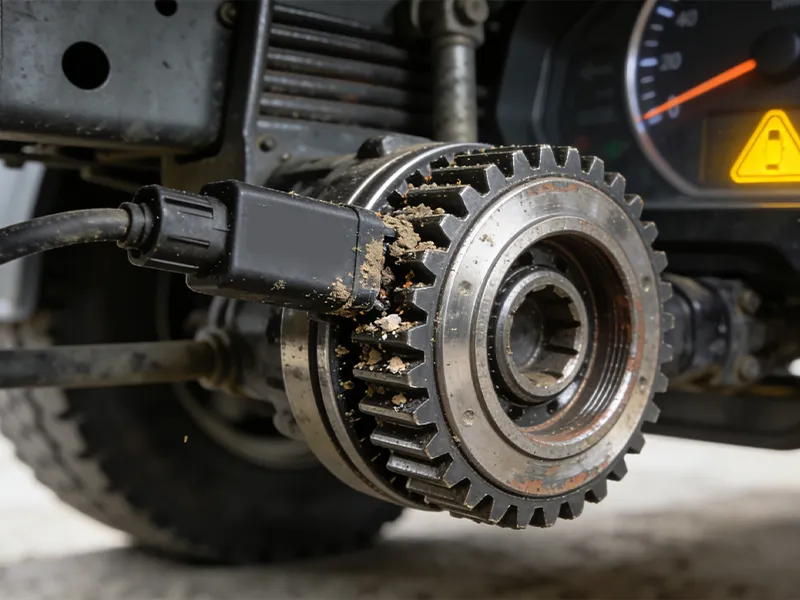
First, clean the Shacman ABS sensor thoroughly. Remove the sensor from the wheel hub. Use a soft cloth to wipe the sensing head. Ensure no residue remains. Also, clean the tone ring inside the hub. Brush away any mud or metal particles. This restores proper magnetic induction. For the ABS sensor, gentle cleaning avoids damage. Avoid using harsh chemicals that could corrode parts. After cleaning, reinstall the ABS sensor carefully. Test the signal output by rotating the wheel. A multimeter can check voltage fluctuations.
Second, adjust the Shacman ABS sensor gap. Push the sensor slowly inward towards the tone ring. Measure the gap with a feeler gauge. Aim for 0.5mm to 1.5mm as per Shacman specs. While rotating the wheel, monitor voltage. It should read 0.4V to 0.5V consistently. If the ABS sensor gap is correct, signals stabilize. Tighten the sensor mounting bolt securely. Apply thread locker to prevent loosening. Regular gap checks prevent future issues. The ABS sensor performance depends on precise alignment. This simple fix enhances ABS reliability.
Truck vibrations cause Shacman ABS sensor wires to fray. The harness near wheels is especially vulnerable. Connections oxidize over time, increasing resistance. This leads to voltage drops or spikes. The ABS sensor may send erratic signals to the ECU. Drivers experience ABS warning lights staying on. Sometimes, auxiliary braking systems fail. The ABS sensor wiring must withstand harsh conditions. Poor insulation from heat or moisture worsens it. Broken wires result in complete signal loss. This is a frequent issue in older Shacman trucks.
Voltage anomalies are another concern. The Shacman ABS sensor relies on a steady 5V reference from the ECU. If wiring shorts, voltage fluctuates. This causes false readings and ABS malfunctions. Testing with a multimeter is essential. The ABS sensor circuit should show consistent values. Any deviation indicates wiring problems. Corroded connectors also disrupt signals. The ABS sensor longevity depends on robust wiring. Regular inspections can spot wear early.
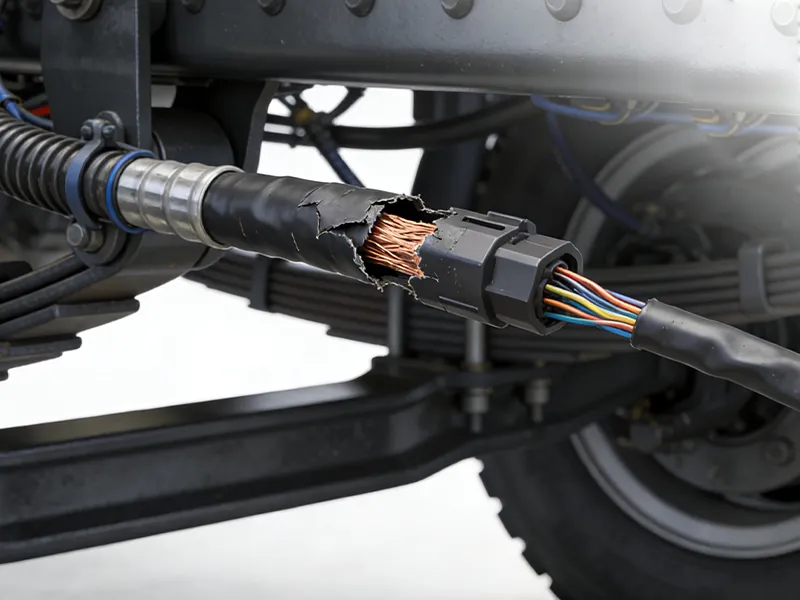
Conduct voltage tests on the Shacman ABS sensor. Use a multimeter at the ECU connector. Measure the reference voltage—it should be around 5V. If lower, check for shorts or poor connections. The ABS sensor wiring must be intact. Repair any broken wires with soldering and heat shrink. Replace damaged harness sections. For the ABS sensor, use OEM-grade wires for durability. Seal connectors with dielectric grease to prevent oxidation. This ensures reliable signal transmission.
Perform resistance checks on the Shacman ABS sensor. Disconnect the sensor plug and measure resistance. A healthy ABS sensor has specific resistance values. If it reads infinity, the coil is burnt. Replace the ABS sensor immediately. Also, inspect fuses in the central electrical panel. In Shacman X6000 models, check the red LED below fuses. A lit LED indicates a blown fuse. Replace it with the correct rating. The ABS sensor system will then reset. Regular wiring maintenance prevents costly failures.
When the ABS light illuminates, Shacman trucks store fault codes. These codes follow J1939 protocol, common in heavy vehicles. For example, SPN 789 often points to left front ABS sensor issues. Other codes like SPN 790 indicate right side problems. The Shacman ABS sensor diagnostics require an OBD scanner. Mechanics can retrieve these codes quickly. The ABS sensor failures may also trigger auxiliary braking limits. Drivers might notice reduced engine braking. This is a safety feature to prevent accidents.
Intermittent codes are tricky. The ABS sensor might work fine until vibration hits. This causes temporary signal loss. The ECU logs sporadic faults. Without proper tools, diagnosing is hard. The Shacman ABS sensor system needs thorough checks. Also, check the central electrical panel fuses. In Shacman models, a blown fuse triggers warnings. The ABS sensor relies on stable power supply. Any disruption causes code storage.
Use an OBD diagnostic tool for ABS sensor codes. Connect to the truck’s port and read J1939 data. Identify the specific SPN code for the ABS sensor. Clear the codes after repairs. The ABS sensor system will retest. If codes persist, inspect the sensor physically. The ABS sensor might need replacement. Always use genuine parts for compatibility.
Check fuses in the central panel. For Shacman X6000, locate the panel near the passenger footwell. Inspect each fuse related to ABS. A blown fuse shows a red LED lit. Replace it with the same amperage. The Shacman ABS sensor should then function normally. Reset the ECU by disconnecting the battery briefly. This clears residual errors. The ABS sensor diagnostics save time and money.
During welding on Shacman trucks, always disconnect the ABS ECU. Induced voltage spikes can damage the controller. The Shacman ABS sensor system is sensitive to electrical surges. This precaution prevents costly ECU replacements. The ABS sensor relies on the ECU for processing. Protect it by isolating power sources.
Also, avoid tapping into ABS sensor wires for accessories. This can overload the circuit. The ABS sensor needs clean power. Any interference causes erratic behavior. Follow manufacturer guidelines for modifications. The ABS sensor longevity is enhanced by careful handling.
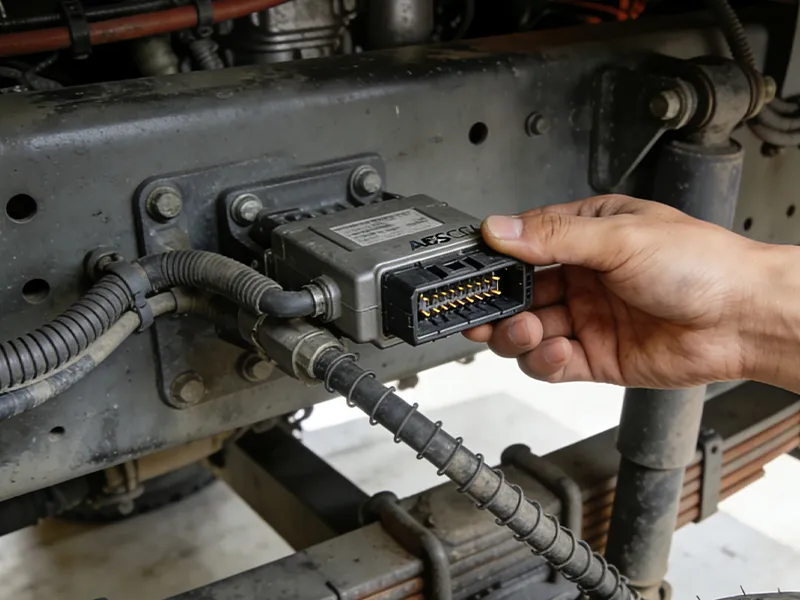
After replacing wheel bearings, ABS sensor errors may occur. This happens if the bearing is installed backwards. The magnetic encoder side must face the ABS sensor. Otherwise, no signal is detected. The ABS sensor cannot read the tone ring properly.
Also, handle the Shacman ABS sensor gently during bearing work. Accidental bumps can crack the sensor. Always test the ABS sensor after reassembly. Rotate the wheel and check voltage output. The ABS sensor should show stable readings. Proper installation ensures ABS functionality.
Regular cleaning schedules extend Shacman ABS sensor life. Wash undercarriage to remove mud and debris. The ABS sensor stays free from buildup. Inspect wiring harnesses every 10,000 km. Look for cracks or abrasions. The ABS sensor connections should be tight. Use protective conduits for wires in harsh areas.
Monitor ABS warning lights closely. If the Shacman ABS sensor triggers alerts, act quickly. Delays worsen problems. Keep an OBD scanner handy for diagnostics. The ABS sensor system benefits from proactive care. Train drivers to report any ABS issues promptly. The ABS sensor is key to safety.
Store spare ABS sensor parts in inventory. Genuine sensors ensure compatibility. The ABS sensor replacement should follow OEM steps. Avoid aftermarket parts that may not meet standards. The ABS sensor performance depends on quality.
The Shacman ABS sensor uses magnetic induction to detect wheel speed. It reads a tone ring with teeth, generating AC voltage. The ABS sensor sends this data to the ABS ECU. The ECU calculates slip ratios and modulates braking. The ABS sensor is crucial for preventing wheel lockup.
In Shacman trucks, the ABS sensor typically has two wires: signal and ground. The ABS sensor output varies with speed. At rest, voltage is near zero. When rotating, it peaks around 0.5V. The ABS sensor must be calibrated for accuracy.
Advanced ABS sensor systems include fault memory. They store codes for up to 100 ignition cycles. The Shacman ABS sensor diagnostics help in troubleshooting. Understanding these basics aids in effective repairs. The ABS sensor technology evolves with new truck models.
A mining company reported frequent ABS sensor failures. Inspection revealed mud-packed tone rings. Cleaning the Shacman ABS sensor and rings solved 90% of issues. The ABS sensor gap was adjusted to 1.0mm. This reduced downtime significantly.
Another case involved a Shacman truck with ABS light on. Diagnostics showed SPN 789 code. The left front ABS sensor had broken wires. Repairing the harness restored function. The Shacman ABS sensor was then tested and worked perfectly.
In a fleet, Shacman ABS sensor errors occurred after bearing changes. Mechanics found bearings installed backwards. Reorienting them fixed the ABS sensor signals. This highlights the importance of proper procedures.
Maintaining the Shacman ABS sensor is essential for truck safety and performance. By addressing physical faults, wiring issues, fault codes, and following maintenance notes, you can avoid common problems. Regular checks and using genuine parts ensure longevity. For more detailed guides and resources on Shacman trucks, learn more about comprehensive solutions and support.