Turbocharger Oil Pipe

Масляная трубка турбины

Tubo de Aceite del Turbo
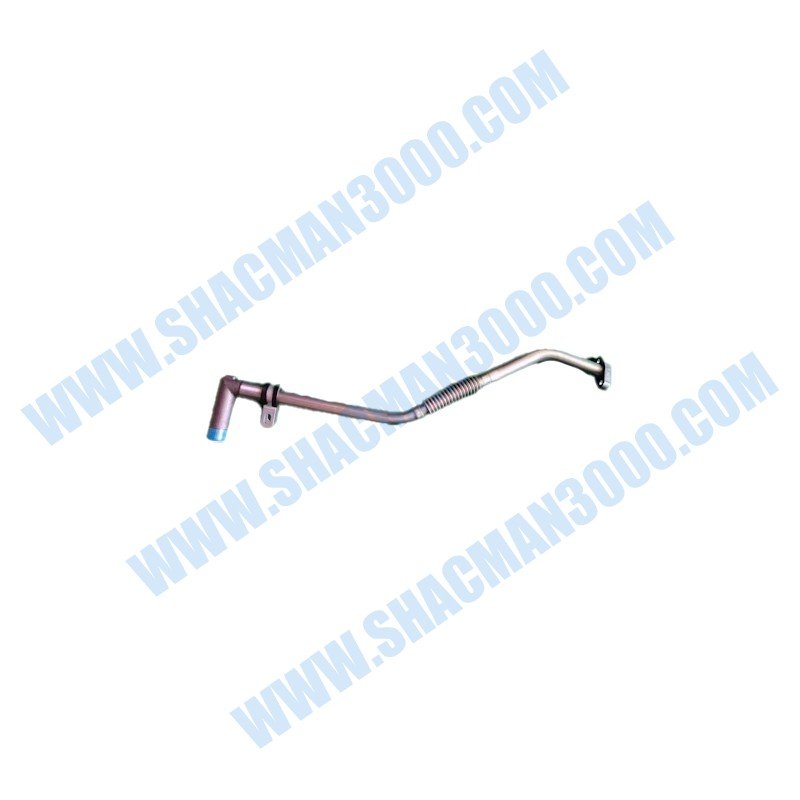
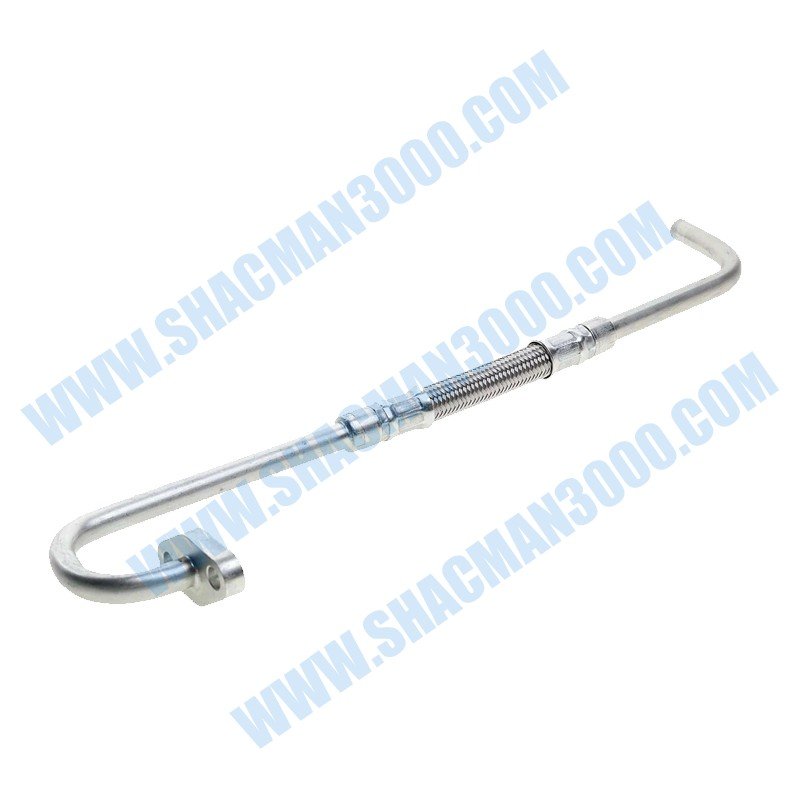
The Shacman Turbocharger Oil Pipe BY612650110057 is a critical, high-precision component within the engine’s forced induction system, responsible for delivering a steady, high-pressure stream of oil to the turbocharger’s central bearing assembly. This genuine OEM part, specified by the exact code BY612650110057, is engineered to withstand extreme temperatures and pressures, ensuring the turbo’s high-speed rotating shaft receives essential lubrication and cooling. A compromised oil feed line can lead to rapid turbocharger bearing failure, resulting in costly replacements, significant power loss, and potential engine damage from oil starvation or contamination. For Shacman trucks operating under heavy loads, the integrity of this specific oil pipe is non-negotiable for maintaining engine efficiency and preventing catastrophic downtime.
Manufactured from advanced, heat-resistant alloys and featuring precision-machined fittings, this pipe guarantees a leak-free connection between the engine block and turbocharger. Its design accounts for thermal expansion, intense vibration, and exposure to harsh under-hood chemicals, offering unparalleled durability and reliability to protect one of your engine’s most performance-defining and valuable components.
| Parameter | Specification / Value |
|---|---|
| OEM Part Number | BY612650110057 |
| Product Name | Turbocharger Oil Pipe |
| Brand | Shacman |
| Primary Function | Supply High-Pressure Oil to Turbocharger Bearings |
| Compatible Models | Shacman X3000, F3000 with specific WP10/WP12 turbo engines |
| Pipe Construction | Steel Braided Hose with PTFE Liner or Solid Metal Tube |
| Fitting Connection | Banjo Bolt with Copper Washers or AN Flare Fittings |
| Pressure Rating | Withstands Full Engine Oil Pressure (Up to 6-8 Bar) |
| Temperature Range | -40°C to +220°C (Near Exhaust Manifold) |
| Key Feature | Heat-Resistant, Vibration-Proof, Leak-Free Design |
A turbocharger operates at rotational speeds that can exceed 150,000 RPM. At these velocities, the bearings supporting the turbine and compressor shaft require a constant, clean, and pressurized oil supply to function.
The oil pipe BY612650110057 is the dedicated lifeline for this critical fluid. It performs three essential functions: lubricating the bearings to minimize friction, cooling the assembly to dissipate intense heat, and cleaning microscopic debris from the bearing surfaces.
Without this uninterrupted oil flow, the turbocharger bearings will experience rapid metal-on-metal contact. This generates extreme heat, leading to bearing seizure, shaft scoring, and catastrophic turbo failure within seconds.
The oil also creates a protective hydrodynamic film, maintaining precise clearances for optimal rotational efficiency and preventing boost pressure leakage across the turbine and compressor seals.
A blocked, kinked, or leaking oil pipe leads to immediate oil starvation. The resulting turbo failure is often violent, with destroyed bearings sending metal fragments throughout the intake and exhaust systems.
An external oil leak from a failed pipe poses a severe fire hazard. Pressurized oil spraying onto the hot exhaust manifold or turbo housing can ignite, causing extensive engine bay damage.
Chronic, partial restriction in the oil pipe reduces flow and pressure. This causes gradual bearing wear, increased shaft play, loss of boost, higher exhaust temperatures, and eventual turbo failure.
The genuine Shacman oil pipe is built for an extreme operating environment. It must endure full engine oil pressure, intense radiant and conducted heat from the exhaust, and constant high-frequency vibration.
High-performance versions utilize a stainless steel braided outer sheath for superior burst strength and abrasion resistance. The inner core is often made from PTFE (Teflon), which is highly inert and resistant to oil degradation at high temperatures.
Solid metal tube sections, used in direct-routing applications, are fabricated from seamless steel or aluminum alloy. These are often mandrel-bent to precise angles without crimping the internal diameter.
The end fittings are precision CNC-machined from steel or brass. They employ specific sealing technologies such as double-layered copper crush washers, Dowty seals (bonded washer), or conical flare seats to ensure a perfect, long-lasting seal.
The pipe’s routing and material selection account for significant thermal expansion. A rigid pipe that cannot flex may crack or loosen fittings as the engine heats up and cools down.
Turbocharger and engine vibrations can cause metal fatigue. The genuine pipe’s construction, including its braiding and strategic mounting brackets, is designed to dampen these vibrations and prevent work-hardening failures.
Heat shielding or reflective sleeves may be integrated to protect the hose from direct radiant heat from the exhaust manifold, extending the service life of the internal hose materials.
Turbocharger oil pipes are not universal. The part number BY612650110057 corresponds to an exact length, internal diameter, fitting thread size, and bend radius required for a specific Shacman engine and turbo model pairing.
Using the correct OEM pipe ensures there is no undue stress on the turbocharger oil inlet or the engine block gallery outlet. Misalignment can cause leaks, cracked fittings, or even stress fractures in the turbo housing.
The internal diameter is carefully calibrated by engineers. It must provide sufficient oil volume for cooling and lubrication without causing a detrimental pressure drop in the main engine oil gallery.
Always verify the OEM number against your vehicle’s VIN or engine serial number. An incorrectly sized pipe, even if it fits, can drastically alter oil flow dynamics and lead to turbo failure.
The sealing points are the most critical areas. The genuine part includes new, specification-matched sealing washers or O-rings. These are designed to deform perfectly under torque to fill microscopic imperfections.
Reusing old seals is a primary cause of post-installation leaks. The old seals have already been compressed to their limit and cannot form a new, effective seal.
The sealing surfaces on both the pipe fittings and the receiving ports must be clean, smooth, and free of scratches or old sealant residue to achieve a perfect, leak-free connection.
Installation must be performed on a completely cool engine. This ensures safety and allows metal components to be at their natural size, preventing leaks when they expand from heat.
Thoroughly clean the oil gallery outlet on the engine block and the inlet port on the turbocharger. Any debris introduced here can travel directly into the turbo’s tiny oil passages, causing blockages.
Always use the new sealing components supplied with the genuine BY612650110057 pipe. Apply a light film of clean engine oil to copper washers before installation to aid even compression.
Tighten all fittings using a calibrated torque wrench to the manufacturer’s specification. This is crucial for banjo bolts, as over-torquing can distort the bolt, blocking the cross-drilled oil passage.
After installing a new oil pipe or turbo, it is imperative to prime the oil system. This involves cranking the engine with the fuel system disabled until oil pressure builds in the new line.
A dry start, even for a few seconds, can cause instant bearing damage in the new turbo. Some technicians pre-fill the new turbo’s oil inlet with clean oil before connecting the pipe.
Once started, let the engine idle for several minutes while carefully inspecting all connections for leaks. Re-torque fittings if necessary after the first heat cycle as components settle.
Visible Oil Leaks: Fresh oil accumulation around the pipe fittings, turbo housing, or on the exhaust manifold below is the most direct warning sign. Look for wetness or drips.
Unexplained Oil Consumption: A noticeable drop in engine oil level between changes, without visible leaks elsewhere, may indicate oil burning off a leak onto hot surfaces.
Exhaust Smoke: Blue or grey smoke from the exhaust, particularly under acceleration, signals oil is entering the combustion chamber, possibly from a turbo seal compromised by poor lubrication.
Abnormal Turbo Noises: A high-pitched whining, grinding, or scraping sound from the turbocharger indicates bearing distress, often due to insufficient oil flow from a restricted or leaking pipe.
Loss of Boost and Power: Reduced engine power, sluggish throttle response, and an inability to maintain boost pressure are classic signs of a turbo struggling due to internal damage from oil starvation.
Increased Exhaust Temperature: Poorly lubricated bearings create more friction and heat, which transfers to the exhaust gases, potentially raising EGT (Exhaust Gas Temperature) readings.
Check Engine Light: Modern engines may detect under-boost conditions or other anomalies related to turbo performance and trigger a fault code, illuminating the warning light.
Aftermarket oil pipes are a significant reliability gamble. They may use inferior hose materials that degrade internally, shedding particles that can block the turbo’s critical oil passages.
Their fittings may have incorrect thread pitch, poor surface finish, or be made from softer metals that are prone to stripping, cross-threading, or failing under vibration.
The dimensional accuracy of length and bend angles is often approximate. This can cause the pipe to rub against other components, leading to wear, or put stress on the turbo housing.
The genuine BY612650110057 is manufactured to Shacman’s exact material and dimensional specifications, ensuring perfect fit, optimal oil flow, and long-term reliability.
The price of a new turbocharger is many times that of a genuine oil pipe. Using a substandard pipe to save a small amount upfront is a false economy with potentially devastating financial consequences.
A fire caused by an oil leak can lead to total vehicle loss, massive insurance claims, and severe safety risks for the driver and others on the road.
For commercial fleets, the downtime from a turbo failure is not just a repair bill; it’s lost revenue, missed deadlines, and damaged customer relationships.
Inspect the turbo oil pipe visually during every major service interval. Look for signs of oil seepage, cracks in the hose covering, abrasion marks, or corrosion on metal tubes.
Ensure all fittings are secure and that the pipe is properly routed, with no contact with hot exhaust components or sharp edges. Check that any heat shielding is intact.
Adhere strictly to the manufacturer’s recommended engine oil and filter change intervals. Clean, high-quality oil is paramount for turbo longevity and prevents sludge buildup in the pipe.
Whenever a turbocharger is replaced, always install a new genuine oil feed pipe. The old pipe may contain contaminants from the failed turbo and has undergone thermal stress cycles.
Avoid aggressive engine shutdowns after hard driving. Allow the engine to idle for 1-2 minutes to let the turbo spin down and allow oil to continue cooling the bearings.
Ensure the engine always has the correct oil level. Low oil level can lead to air being drawn into the oil pump, causing momentary oil starvation that disproportionately affects the turbo.
Fix any engine issues like blow-by or excessive crankcase pressure promptly, as these can force oil past seals and contaminate the intake system, including the turbo.
The turbo oil pipe is a critical safety component. Its failure can lead to sudden loss of power, engine fires, and expensive cascading damage to the engine and after-treatment systems.
Using the genuine Shacman part is a cornerstone of a responsible maintenance philosophy. It ensures the lubrication system performs as designed, protecting your significant investment in the powertrain.
For fleet managers, standardizing on genuine parts like BY612650110057 reduces unpredictable breakdowns, enhances vehicle safety profiles, and ensures consistent performance across the fleet.
A reliable turbocharger, fed by a dependable oil pipe, is essential for meeting fuel economy targets, maintaining power for schedules, and ensuring low emissions compliance.
A properly lubricated turbo operates efficiently, providing optimal boost for complete combustion. This leads to better fuel economy, lower emissions, and reduced thermal stress on the entire engine.
Protecting the turbocharger also protects downstream components like the intercooler, intake manifold, and emissions control devices from oil contamination or damage from foreign objects.
Investing in quality lubrication system components is one of the most effective strategies for maximizing the total lifespan and resale value of your Shacman truck.
The Shacman Turbocharger Oil Pipe BY612650110057 is an indispensable component that directly ensures the longevity, efficiency, and safety of your truck’s turbocharged engine.
Opting for the genuine OEM part is a decisive investment in reliability, operational cost control, and peace of mind. It guarantees the exact engineering required for this high-stakes application.
Never compromise on the quality of the turbo lubrication system. For all service and replacement needs, insist on the authentic Shacman part number BY612650110057.
Combine this precision component with professional installation, quality engine oil, and diligent maintenance. This holistic approach will ensure your Shacman truck’s turbo delivers consistent, powerful, and reliable performance throughout its service life, keeping your operations running smoothly and profitably.