Quick Summary: SHACMAN Fuel Pump Troubleshooting
Effective SHACMAN fuel pump troubleshooting is key to maintaining your truck’s performance and avoiding costly downtime. This process involves systematically identifying symptoms like power loss or difficulty starting, then checking electrical components, filters, and fuel pressure. A methodical approach can distinguish between a simple fix and a major repair, saving you time and money. This guide provides a comprehensive walkthrough to diagnose and understand common fuel pump issues in SHACMAN trucks.
SHACMAN Fuel Pump Troubleshooting
The fuel pump is the heart of your SHACMAN truck’s engine system. It ensures a consistent and pressurized flow of diesel from the tank to the injectors. When it falters, the entire vehicle’s performance is compromised. Recognizing early signs through diligent SHACMAN fuel pump troubleshooting can prevent complete breakdowns. A faulty pump can lead to inefficient combustion, increased wear, and even engine damage. Regular monitoring and prompt action are essential for long-term reliability. Understanding its function is the first step in effective diagnosis.
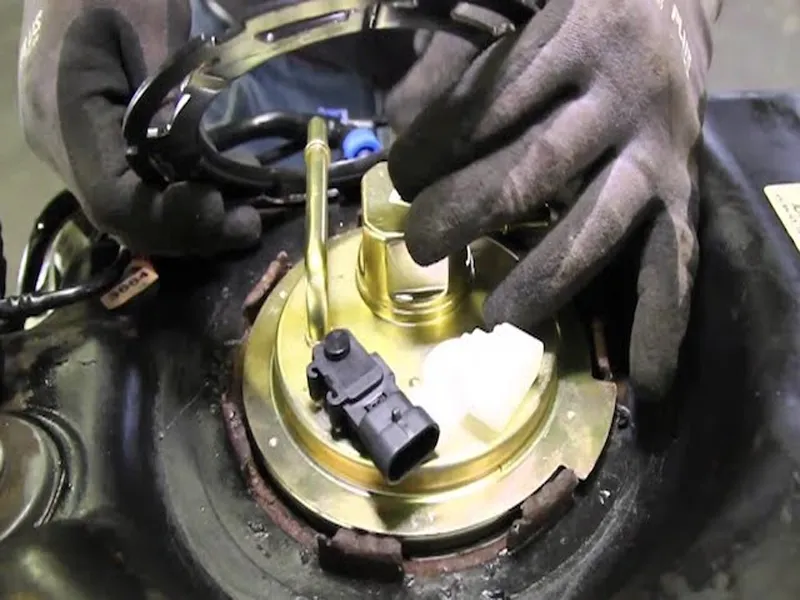
Modern SHACMAN trucks use electric fuel pumps submerged in the tank. This design helps cool the pump and reduce noise. The pump’s pressure must remain within strict specifications for optimal engine operation. Any deviation can cause noticeable performance issues. Therefore, systematic SHACMAN fuel pump troubleshooting is not just a repair task. It is a vital component of proactive vehicle maintenance and operational efficiency.
Identifying symptoms early is crucial. Here are the key signs that should prompt immediate SHACMAN fuel pump troubleshooting.
The engine cranks excessively but does not start. This is due to insufficient fuel pressure reaching the combustion chamber. It may require multiple ignition attempts. This is a primary trigger for SHACMAN fuel pump troubleshooting.
The truck struggles under load, during acceleration, or on inclines. The pump cannot meet the engine’s high fuel demand. This results in a noticeable drop in power and responsiveness.
Inconsistent fuel flow causes misfires and sputtering at high speeds. The engine may also surge unexpectedly while maintaining a constant speed. This indicates a failing pump’s irregular pressure output.
A loud whining, howling, or buzzing sound emanates from the tank area. This noise often points to a worn-out pump motor or internal bearing damage. It is a clear auditory clue for SHACMAN fuel pump troubleshooting.
The engine shuts off suddenly, often when hot. An overheating pump motor can fail intermittently, causing dangerous stalling. This requires urgent diagnostic attention.
You notice more frequent refueling stops. A faulty pump disrupts the optimal air-fuel mixture. This forces the engine to burn more fuel for the same output, raising costs.
Follow this structured SHACMAN fuel pump troubleshooting sequence to pinpoint the issue accurately. Always prioritize safety and consult your vehicle’s manual.

Begin with the simplest possibilities. Inspect the fuel pump fuse and relay in the fuse box. A blown fuse is a quick fix. Check wiring harnesses for corrosion or damage. Use a multimeter to test for 12 volts at the pump connector. No power here suggests an electrical fault upstream. This initial check is fundamental to effective SHACMAN fuel pump troubleshooting.
Turn the ignition to the ‘ON’ position without starting the engine. Listen near the fuel tank for a faint humming sound lasting 2-3 seconds. Silence indicates a dead pump or no electrical supply. This is a key test in SHACMAN fuel pump troubleshooting. Always perform this in a quiet environment to hear subtle sounds clearly.

A clogged filter mimics pump failure. Locate and check the primary fuel filter. Replace it if it appears dirty or hasn’t been changed as per schedule. A clean filter ensures unrestricted flow for accurate diagnosis. Regular filter replacement prevents premature pump strain and is a critical maintenance task.

This is the most definitive test. Connect a fuel pressure gauge to the schrader valve on the fuel rail. Start the engine and note the reading. Compare it to your SHACMAN manual’s specification. Low pressure confirms a pump or regulator issue. Accurate pressure measurement is essential for conclusive SHACMAN fuel pump troubleshooting.
Air in diesel lines causes sputtering. Inspect all fuel line connections from the tank to the pump and filter for tightness. Bleed the system if you recently changed the filter. Proper bleeding is part of thorough SHACMAN fuel pump troubleshooting. Eliminating air ensures stable fuel pressure and smooth engine operation.
If basic SHACMAN fuel pump troubleshooting doesn’t resolve the issue, deeper diagnostics are needed. A scan tool can check for relevant fault codes in the Engine Control Unit (ECU). These codes can point to pressure sensor faults or circuit problems. Testing the pump’s amperage draw can reveal an overworking motor. Also, inspect the fuel tank for debris or contamination that could accelerate pump wear. Sometimes, the issue is a failing fuel pressure regulator, not the pump itself. Distinguishing between these requires experience and the right tools.
For complex cases, seeking professional help is wise. They have specialized equipment to perform flow rate tests and precise pressure analyses. Remember, accurate SHACMAN fuel pump troubleshooting prevents unnecessary part replacement. It ensures you fix the root cause, not just a symptom. If you wish to delve deeper into technical specifications and advanced repair techniques, you can learn more on our dedicated platform.
Proactive maintenance drastically reduces the need for SHACMAN fuel pump troubleshooting. Always use high-quality, clean diesel from reputable sources. Change the fuel filter at the manufacturer’s recommended intervals. Keep your fuel tank at least a quarter full to prevent pump overheating. This also reduces sediment intake from the tank bottom. Regularly inspect fuel lines and connections for leaks or damage. Address any engine performance issues promptly before they stress the fuel system.
Consider using fuel additives that clean injectors and lubricate the pump. However, ensure they are compatible with your SHACMAN model. A well-maintained fuel system ensures longevity and reliability. It minimizes unexpected breakdowns and costly repairs. Integrating these habits is the best strategy.
It is highly discouraged. A failing pump can cause sudden stalling, leading to unsafe driving conditions. It can also damage other expensive components like injectors.
With proper maintenance, a fuel pump can last over 200,000 kilometers. However, factors like fuel quality and driving habits significantly impact its lifespan.
Costs vary widely. DIY diagnosis is low-cost. Professional replacement involves parts and labor. Using genuine SHACMAN parts is crucial for compatibility.
The core principles are similar, but fuse locations, pressure specs, and component access can differ. Always refer to the specific manual for your model and year.
Mastering SHACMAN fuel pump troubleshooting empowers you to maintain your truck’s peak performance. It transforms a potentially daunting repair into a manageable diagnostic process. By recognizing symptoms early and following a logical testing sequence, you can identify issues accurately. Remember, the goal is not just to fix the pump but to ensure the entire fuel system’s health. Regular maintenance is the most effective form of troubleshooting. Keep this guide handy for a reliable and efficient SHACMAN truck on every journey. Your diligence in SHACMAN fuel pump troubleshooting guarantees smoother hauls and greater operational uptime.