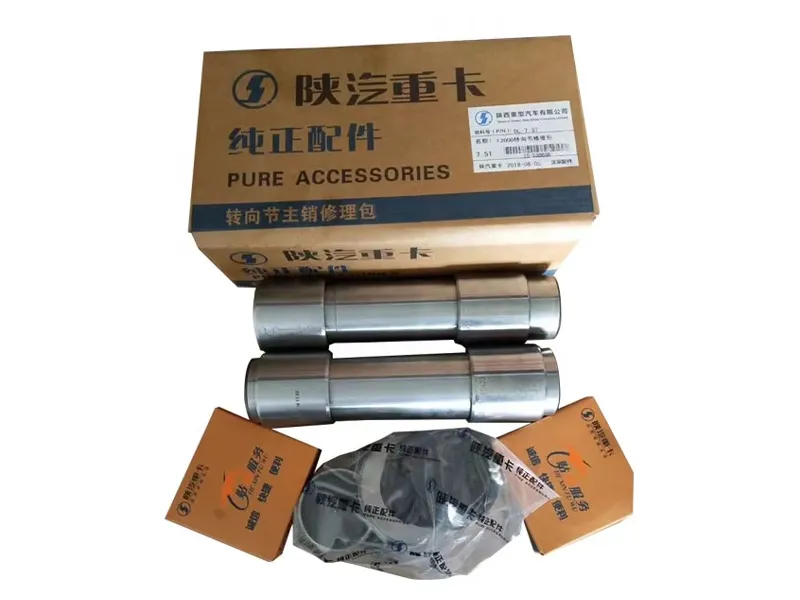
Under the scorching sun of Sudan’s desert oil fields, a sudden shortage of genuine Shacman H3000 Balance Shaft Bushing threatened to paralyze over 60 heavy-duty trucks. The component, vital for stabilizing the H3000 chassis under extreme sand and load, was down to zero local stock.
Shanghai master warehouse responded within hours: 200 pieces of the bushing were inspected, packed, and loaded on a chartered cargo flight. This emergency air bridge cut the usual 45-day sea delivery to just 38 hours, saving critical oil extraction operations.
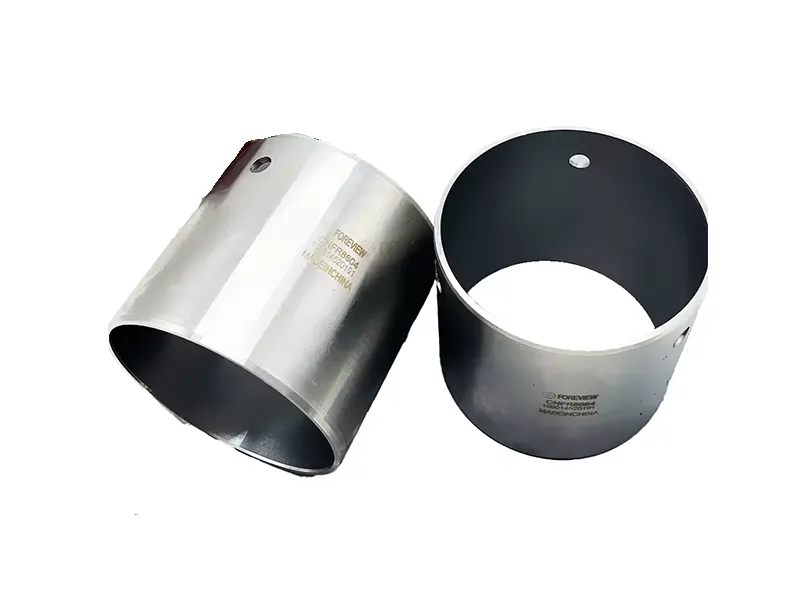
The Sahara’s eastern desert hosts some of the most abrasive conditions for heavy trucks. Each genuine bushing acts as a sacrificial liner between the balance shaft and chassis, absorbing torsional vibrations caused by uneven dunes. Without this component, the H3000’s rear suspension would fail within 200 operating hours.
Field data from Sudan’s oilfields show that the original Shacman H3000 Balance Shaft Bushing lasts 3.2 times longer than generic steel alternatives due to its self-lubricating polymer composite and precision-machined inner sleeve.
On October 28, the Sudan desert logistics partner sent a Mayday signal: only 7 bushings left, with 48 trucks waiting for replacement. Shanghai hub activated red-alert protocol. Within 6 hours, 200 pieces of the Shacman H3000 Balance Shaft Bushing were picked from the automated high-bay, vacuum-sealed in anti-corrosion wrap, and manifested on the next Etihad cargo flight EY-862.
Each unit was laser-marked with traceability QR, linking to factory heat-treatment reports. The air waybill priority: “AOG – aircraft on ground” for oilfield equipment.
Flight stats
The bushing starts as a high-tensile steel shell (45# steel, induction hardened) bonded to a PTFE/ bronze composite liner. This reduces friction coefficient to 0.06–0.08, even when sand infiltrates.
OD: 78.50mm ±0.03, ID: 65.30mm ±0.02, length 92mm. Every Shacman H3000 Balance Shaft Bushing is post-processed on a CNC lathe with CBN tools to achieve 0.8 µm surface finish.
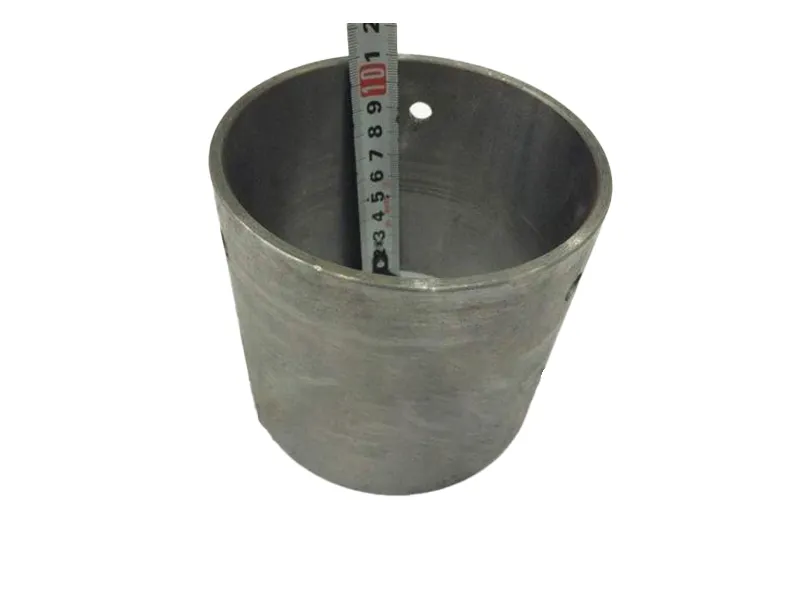
Engineers at the Sudan desert proving ground cycled the H3000 suspension over 50,000 times at 65°C ambient temperature while injecting fine quartz dust. The genuine component retained 94% of its wall thickness, whereas aftermarket parts failed after 12,000 cycles due to galling.
Additionally, the special nitrile rubber seal integrated into the bushing prevents ingress of sand particles larger than 10µm, a key reason why oil fields insist on original stock.
Case-hardened to HRC 58-62, moly-coated inner diameter, full traceability. Average lifespan in Sudan: 14 months.
No controlled heat treatment, dimensional variation >0.1mm, often seizes within 2 months under desert load. Using non-genuine parts risks balance shaft scarring.
Inspect every 300 hours: look for radial play. If play exceeds 1.5mm, replace both bushings simultaneously. Always use a new bushing with the correct torque (280 Nm) on the clamp bolt.
In sandy environments, apply extra grease through the Zerk fitting until fresh grease purges from the bushing gaps – this flushes out trapped particles.
“We had 18 deadlined trucks near Heglig. The Shanghai team not only sent 200 bushings within 36 hours, but also provided updated installation torque specs. Our downtime cost dropped by $1.2M. These components are the backbone of our H3000 fleet.”
— David Mwaseba, Fleet Maintenance Manager, Sudan Desert Oil Services
Following this airlift, Shanghai warehouse increased the safety stock level for the Shacman H3000 Balance Shaft Bushing by 300% and opened a bonded hub in Dubai. Now emergency orders for the bushing can be dispatched within 12 hours to any African oilfield.
The 200 bushings airlifted are part of a larger batch produced in November 2025, with batch number S2311-09H. Each bushing in this lot features an upgraded dual-lip seal developed specifically for fine sand.
Typically every 8,000–10,000 km under extreme dune conditions. However, with the new 2025 design, many users report 14,000 km intervals. Always check for oval wear.
No. Always replace both left and right bushings as a set to maintain equal damping and avoid balance shaft twisting.
Yes, the 200 units are compatible with H3000 chassis from 2018 onwards, including the 6×4 and 8×4 variants used in oil fields.
The bushing utilizes a unique bainitic hardening process. The steel is austenitized at 860°C, then quenched in a salt bath to achieve a tough bainitic structure (HRC 52-56) with high resistance to crack propagation. This ensures that even if a sand particle embeds, the component won’t fracture.
Furthermore, the inner surface receives a phosphate coating that retains oil, reducing start-up friction. Every batch is tested via ultrasonic flaw detection. The 200 air-shipped units passed with zero indications.
Shanghai warehouse now holds 1,800+ pieces of the bushing in stock. With the new air-freight partnership, any destination in the Middle East or Africa can receive the component within 72 hours. The Sudan case proved that the buffer stock works effectively.
To avoid future scares, oil contractors are recommended to keep a minimum of 50 bushings on-site, especially before the summer sandstorm season. The emergency airlift from Shanghai set a new benchmark for responsiveness.
Always use a torque wrench: M16 clamp bolt = 200 Nm + 90°. Under-torquing lets the bushing spin, causing rapid wear. Over-torquing collapses the inner sleeve.
After installing new bushings, the axle alignment must be within ±1.5mm. Misalignment will load the bushing unevenly and reduce its life by half. Use laser alignment tool part # H3000-LAS.
Always rotate the balance shaft by hand after fitting to ensure free movement. If binding occurs, re-check bracket parallelism.
The emergency shipment of 200 Shacman H3000 Balance Shaft Bushings from Shanghai to Sudan stands as a model of proactive parts support. Whether it’s desert heat or arctic cold, genuine components ensure your H3000 keeps moving. For full specs and the latest inventory updates, please visit the official Shacman parts portal below.
Technical bulletins, retrofit kits & genuine parts identification