Ball Joint
Шаровой шарнир
Rótula
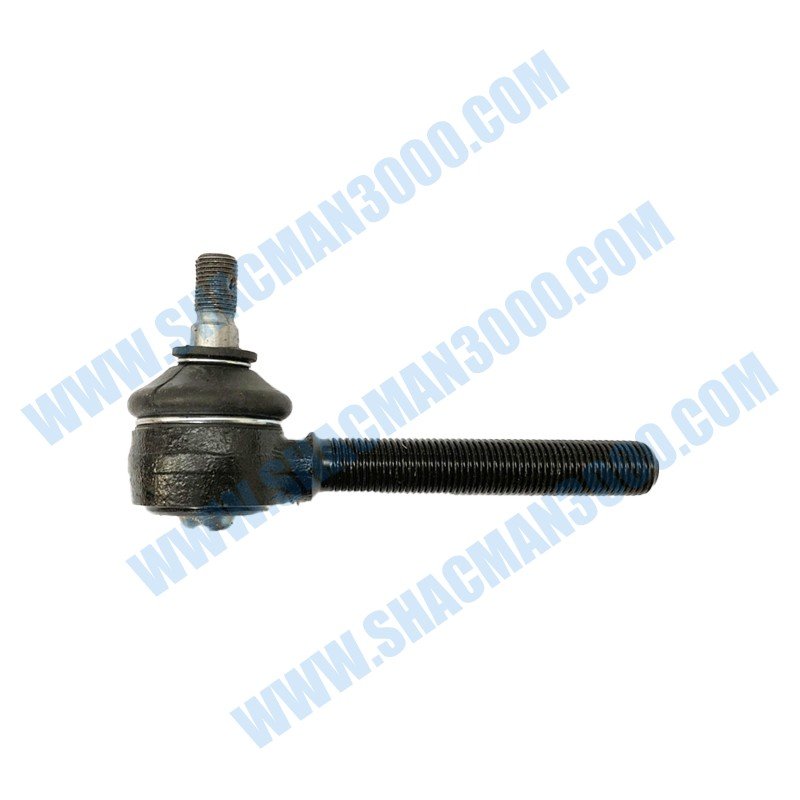
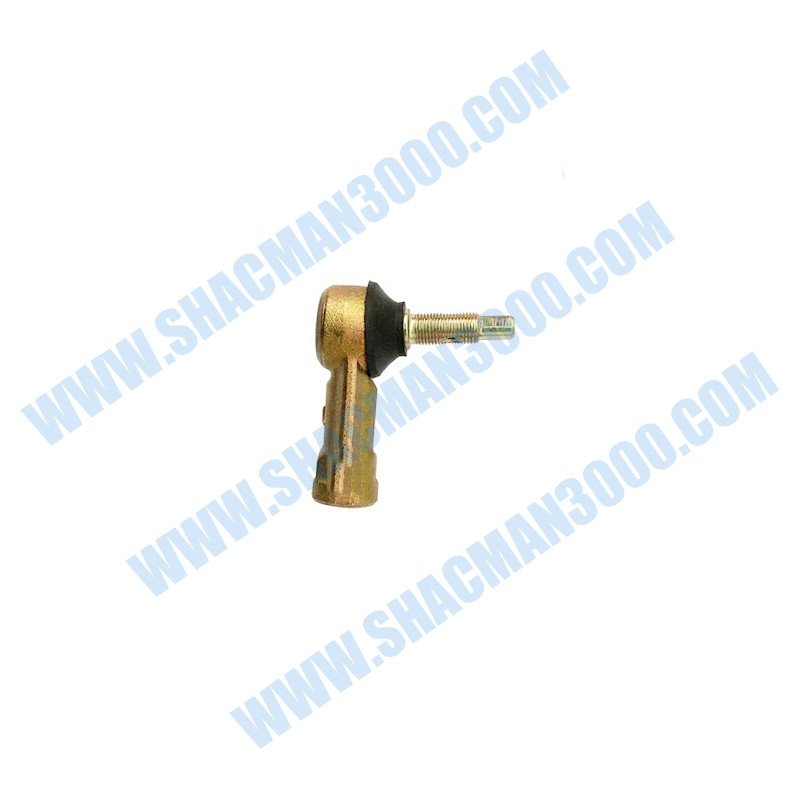
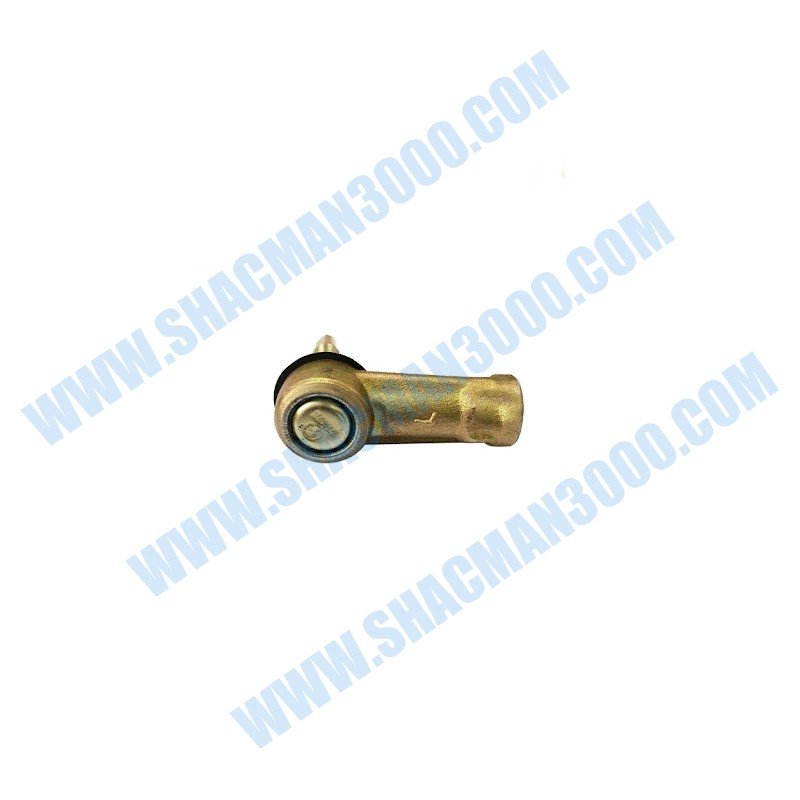
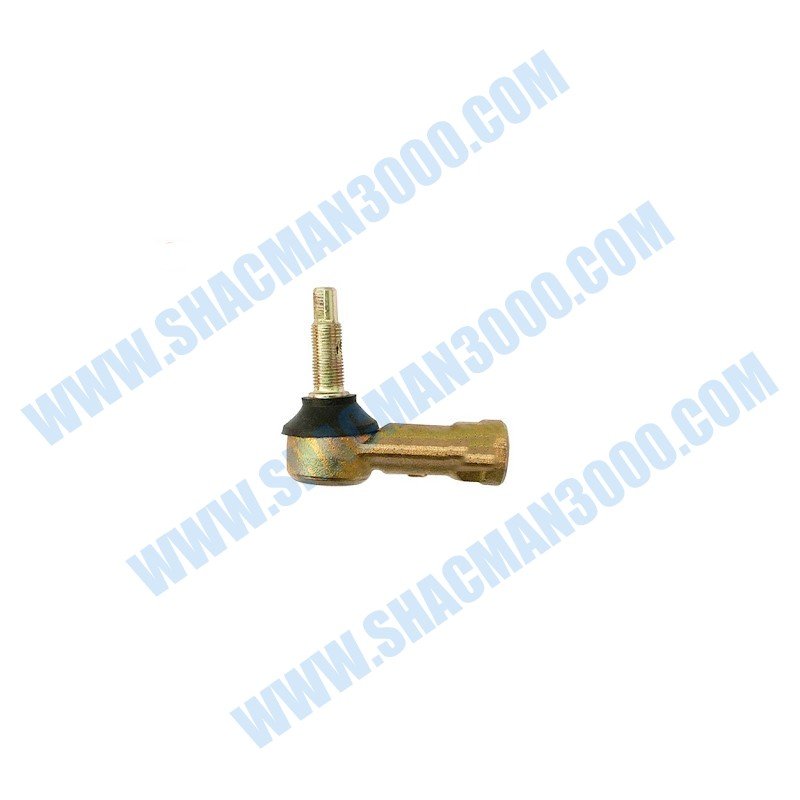
Introducing the genuine Shacman Ball Joint, precisely identified by the OEM part number DZ96259240137. This critical articulation component is engineered specifically for the Shacman X5000 truck series and its robust M12 Manipulator Assembly. The ball joint, bearing the specific code DZ96259240137, serves as a fundamental pivot point within the manipulator’s linkage system, allowing for multi-directional movement and angular rotation under significant load. Manufactured to Shacman’s rigorous quality standards, this joint ensures smooth, precise, and reliable operation of the manipulator’s mechanical arms and control linkages. The DZ96259240137 is designed to withstand the high stresses, vibrations, and dynamic forces encountered in heavy-duty material handling and construction applications. Its robust construction and precision engineering guarantee a perfect fit and long service life within the complex kinematics of the M12 manipulator. Using the genuine OEM part DZ96259240137 maintains the original performance characteristics, safety margins, and durability intended by Shacman’s design engineers.
| Parameter | Specification / Details |
|---|---|
| OEM Part Number | DZ96259240137 |
| Product Name | Ball Joint (Heavy-Duty Articulation Joint) |
| Brand | Shacman |
| Primary Application | X5000 Manipulator Assembly (M12) – Linkage & Control System |
| Joint Type | Spherical Bearing, Pre-lubricated & Sealed |
| Housing Material | High-Strength Forged Steel (Case Hardened) |
| Ball Stud Material | Chromium Alloy Steel, Heat-Treated and Ground |
| Thread Size (Stud) | M16 x 1.5 (Example – verify with diagram) |
| Stud Length | Approximately 60 mm (Threaded portion) |
| Ball Diameter | 22 mm |
| Angular Movement Range | ±25° from center (typical) |
| Static Load Capacity (Radial) | 15 kN (Minimum) |
| Seal Type | Integrated Rubber Boot / Dust Cover |
| Lubrication | Factory-filled with High-Temp Lithium Grease |
| Operating Temperature Range | -40°C to +120°C |
| Weight (Approx.) | 0.45 kg |
| Quality Standards | ISO 9001, IATF 16949, DIN 71802, OEM Specifications |
The Ball Joint DZ96259240137 is engineered for maximum durability and smooth articulation. Its spherical bearing surface is precision-ground to a mirror finish, minimizing friction and wear. The housing is designed with a precisely machined socket that provides optimal contact area with the ball stud. This distributes loads evenly, preventing point loading and premature failure. A pre-load spring or adjustable seat is often incorporated to maintain tight tolerances and compensate for wear over the joint’s service life.
The integrated rubber boot is made from oil-resistant, weatherproof synthetic rubber. It is securely clamped to both the housing and the stud to create a hermetic seal. This boot is flexible enough to accommodate the joint’s full range of angular motion without tearing. The grease inside is a special high-pressure, high-temperature formulation that maintains its viscosity and lubricity under extreme conditions. The ball stud’s threaded end is often rolled, not cut, for superior tensile strength and fatigue resistance. These design features collectively ensure the joint provides reliable, low-friction movement for thousands of operating hours.
Within the M12 manipulator, the DZ96259240137 ball joint acts as a universal pivot. It connects rigid links in the parallel kinematics that keep the tool platform level during boom movement. It also appears in the mechanical linkages between manual control levers and hydraulic control valves. In these applications, the joint converts the operator’s linear input into the angular motion required to actuate a valve spool.
The joint’s ability to pivot in multiple planes allows it to accommodate misalignments between connected components that occur during manipulator articulation. This prevents binding and reduces stress on other linkage parts. In feedback mechanisms, it ensures smooth transmission of position data from moving arms to sensors. The precise and low-friction operation of these joints is directly related to the manipulator’s control feel and positioning accuracy. A system with worn ball joints will feel sloppy and unresponsive.
Early detection of joint wear is crucial for preventative maintenance. Excessive free play or looseness in the manipulator’s linkage is a primary symptom. This can manifest as a knocking sound when direction is reversed or when the manipulator starts/stops moving. Visible damage to the rubber boot, such as tears, cracks, or missing grease, indicates imminent failure. Grease leaking from the boot suggests the seal is compromised and contamination has entered.
Stiff or notchy movement in the controls, where motion is not smooth, can point to a dry or damaged joint. Visible corrosion or scoring on the ball stud is a clear sign of advanced wear. If the joint can be twisted by hand without moving the connected link, it has lost its pre-load and must be replaced. Ignoring these symptoms leads to accelerated wear of mating components, inaccurate control, and potential catastrophic linkage failure during operation.
Replacing the DZ96259240137 ball joint requires care. Safely support the manipulator and relieve tension from the linkage. Remove the cotter pin or locknut securing the old joint’s stud. Use a ball joint separator tool to disconnect the stud from its socket without damaging the threads. Clean the mating surfaces on the connecting links. Install the new joint, hand-tightening the nut initially.
Ensure the joint is oriented correctly so its range of motion aligns with the linkage’s travel. Tighten the fasteners to the specified torque, and always use a new cotter pin or locknut as required. Do not over-tighten, as this can distort the housing and restrict movement. Check that the rubber boot is not pinched or twisted. After installation, operate the linkage through its full range to ensure smooth motion. Regularly inspect the boot condition and check for play during routine service intervals.
Keep the rubber boot clean and inspect it frequently. If a small tear is found, replace the entire joint assembly immediately; do not attempt to patch the boot. Avoid using high-pressure water directly on the boot seals during cleaning. Do not apply additional grease through the boot unless it is designed with a grease nipple; forcing grease can rupture the seal. If the joint is exposed to extreme conditions, consider more frequent inspections. Always use the genuine Shacman part for replacement to ensure material and dimensional compatibility.
The genuine Shacman DZ96259240137 is manufactured to precise material and heat-treatment specifications. Aftermarket joints may use inferior steels or incorrect hardening processes, leading to premature wear or catastrophic brittle failure. The precision of the ball and socket geometry directly affects friction and wear rates; OEM parts guarantee this precision.
The sealing boot on an OEM part is made from compound specifically chosen for compatibility with the grease and environmental resistance. A generic boot may crack or degrade quickly. The load rating and fatigue life of the OEM joint are validated through testing on the actual manipulator. Using a non-genuine part risks unexpected failure, which can cause collateral damage to expensive adjacent components and pose a safety hazard.
The DZ96259240137 is typically a sealed, maintenance-free unit pre-packed with life-time grease. Some heavy-duty variants may include a grease nipple (zerk fitting) for periodic re-lubrication. Check the physical part or the product diagram. If no nipple is present, do not attempt to grease it.
No, boots are not typically sold separately for this joint. A torn boot means contamination has likely already entered the bearing surfaces, causing wear. The entire ball joint assembly DZ96259240137 should be replaced to ensure reliability.
With the manipulator in a safe, supported position, try to move the linkage by hand near the joint. Any perceptible radial movement (up/down/side-to-side) of the stud within its housing indicates excessive wear. There should be zero loose play; all movement should be smooth rotational pivot only.
If two joints are part of the same parallel linkage system and have similar service hours, it is highly recommended to replace them as a set. This ensures balanced performance and prevents the new joint from wearing prematurely due to the sloppiness of the old, worn partner.
The Shacman Ball Joint (OEM: DZ96259240137) is a precision articulation component vital for the smooth and accurate operation of your X5000 M12 Manipulator. Its robust construction, sealed lubrication, and precise engineering ensure reliable performance under the most demanding conditions. Choosing the genuine DZ96259240137 guarantees optimal fit, function, and longevity, protecting your investment and ensuring the safety and productivity of your material handling operations. Trust only Shacman OEM parts for all critical linkage components.
Shacman, X5000, M12 Manipulator, and related model names are trademarks. The OEM part number DZ96259240137 is a unique identifier for the genuine Ball Joint. Specifications are subject to change without notice. Always verify part compatibility with your specific vehicle VIN and manipulator model. Professional installation following manufacturer torque specifications is recommended.