Essential Summary
For SHACMAN heavy-duty truck operators, maintaining the braking system is non-negotiable for safety. This guide details the rigorous international safety standards that genuine SHACMAN Braking System Parts meet and provides clear, actionable 2026 maintenance and replacement advice. Learn about critical components like brake pads, drums, air dryers, and compressors, their recommended service intervals, and key monitoring practices to ensure your vehicle’s braking performance remains optimal under all operating conditions.
The braking system is the heart of safety for any heavy-duty truck. For SHACMAN vehicles, renowned for their durability and performance, using the correct parts and adhering to strict maintenance protocols is paramount. This comprehensive article explores the safety standards governing SHACMAN Braking System Parts and delivers a detailed 2026 guide for inspection, replacement, and best practices.
Following these guidelines helps prevent accidents, ensures compliance with regulations, and maximizes the vehicle’s lifespan and operational efficiency. Let’s delve into the critical aspects of brake system maintenance.
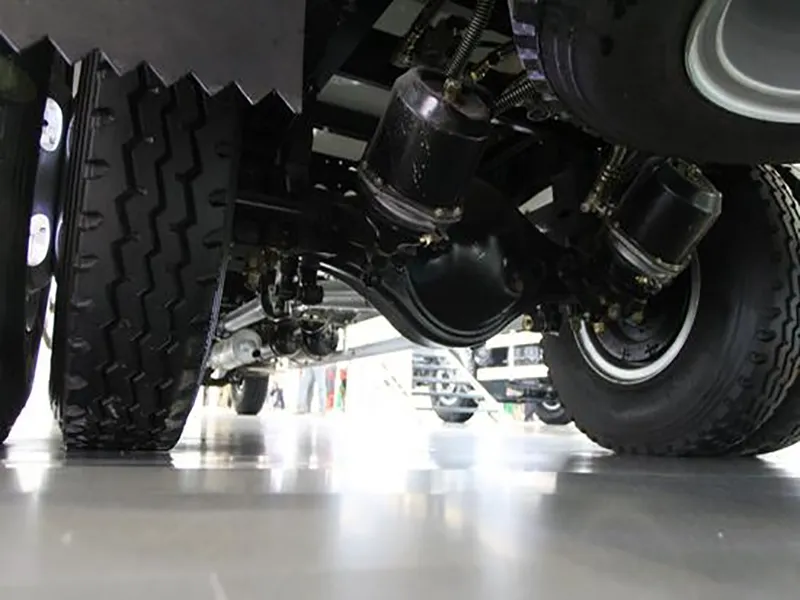
SHACMAN Braking System Parts
Genuine SHACMAN braking components are engineered to exceed basic requirements, adhering to a multi-layered framework of global and industry-specific standards. This commitment ensures reliability, performance, and environmental responsibility.
Every SHACMAN Braking System Part is manufactured under stringent quality protocols. The production processes are certified under ISO 9001, the international benchmark for quality management. More specifically, they comply with IATF 16949, the technical specification for the automotive sector.
This standard focuses on defect prevention, continuous improvement, and reducing variation and waste in the supply chain, guaranteeing part-to-part consistency and superior quality.
Certified Quality
ISO 9001 & IATF 16949 Certified Production
SHACMAN integrates advanced technologies to achieve exceptional stopping power. High-end models, like the X6000 series, feature modern disc brakes paired with WABCO Electronic Braking Systems (EBS).
This combination results in a measured reduction in braking distance by approximately 13.6% to 18.5% compared to many conventional competitors, providing a critical safety margin in emergency situations.
Safety extends beyond performance to material composition. Brake linings and pads for SHACMAN trucks utilize premium non-asbestos organic (NAO) or sintered friction materials.
These materials are not only highly effective and durable but also comply with environmental and health regulations, such as those under HS code 6813.81, ensuring they are safe for handling and minimize hazardous dust.
A cornerstone of SHACMAN’s braking safety is the four-circuit protection valve. This design physically and pneumatically separates the brake system into independent circuits.
In the unlikely event of a failure in one circuit (e.g., a rupture), the remaining circuits retain full air pressure and braking capability, allowing the driver to bring the vehicle to a controlled stop. This redundancy is vital for heavy-duty operations.
Adherence to recommended service intervals is crucial. The following table provides 2026 guidelines for key SHACMAN Braking System Parts. Note: Severe duty cycles (mining, mountainous terrain, constant heavy loads) necessitate inspections 30% more frequently.
| Critical Part | Inspection Interval | Replacement Cycle | Key Notes & Signs |
|---|---|---|---|
| Brake Pads/Linings | Every 10,000 – 15,000 km | 30,000 – 60,000 km | Replace when thickness is below 3-4mm or wear indicator is flush. Squealing noise is a clear alert. |
| Brake Drum / Disc | Every 30,000 km | 70,000 – 100,000 km | Typically replaced after every second set of pads. Check for deep scoring, cracks, or warping. |
| Air Dryer Cartridge | Quarterly | 1 – 2 Years | Essential for dry air. Failure causes valve corrosion, ice in winter, and reduced ABS/EBS performance. |
| Air Compressor | Every 30,000 km | As performance dictates | Maintain system pressure (0.7-1.2 MPa). Regular carbon deposit cleaning is required for longevity. |
| Brake Lines/Hoses | Every routine service | 2 – 3 Years | Replace immediately if cracks, bulges, abrasion, or air leaks are detected. |
These intervals are guidelines. Always prioritize the condition of the part over strictly followed mileage. Visual and functional checks are paramount.

Beyond scheduled replacements, proactive daily and weekly maintenance habits are the first line of defense for your SHACMAN truck’s braking safety.
Most SHACMAN brake pads have built-in wear indicator grooves. Drivers should regularly visually inspect these grooves. When the groove disappears or becomes flush with the pad surface, the wear limit has been reached.
Immediate replacement is mandatory at this point to prevent damage to the brake disc and potential brake failure.
Even with a functioning air dryer, moisture can accumulate in the system’s reservoirs. Make it a habit to manually pull the drain valves on all air tanks daily or weekly.
Excessive oil and water contamination drastically reduces the service life of valves, chambers, and can freeze in winter, crippling the entire SHACMAN Braking System.
A high-pitched, continuous squealing or scraping sound during braking is often the wear indicator making contact with the rotor. This is an audible alarm.
A loud metallic grinding noise indicates the friction material is completely worn out and metal is grinding on metal. Stop the vehicle safely and inspect immediately.
Newer 2026 SHACMAN models feature integrated wear sensor systems. When the brake pad wear warning light illuminates on the instrument cluster, do not ignore it.
Proceed to an authorized service center. Their technicians can use the official SHACMAN service system to diagnose the issue and source the correct, guaranteed OEM replacement parts for your specific model.
The reliability of your SHACMAN truck’s braking system hinges on the quality of its components and the diligence of its maintenance. Using non-genuine or substandard SHACMAN Braking System Parts compromises the engineered safety margins, performance metrics, and system integrity described in this guide.
Invest in safety, performance, and longevity by insisting on genuine parts and following these expert recommendations. For detailed technical specifications, parts catalogs, and to locate authorized service partners for your specific SHACMAN model, follow the link below.