
Oil Pump Inlet Steel Pipe Assembly
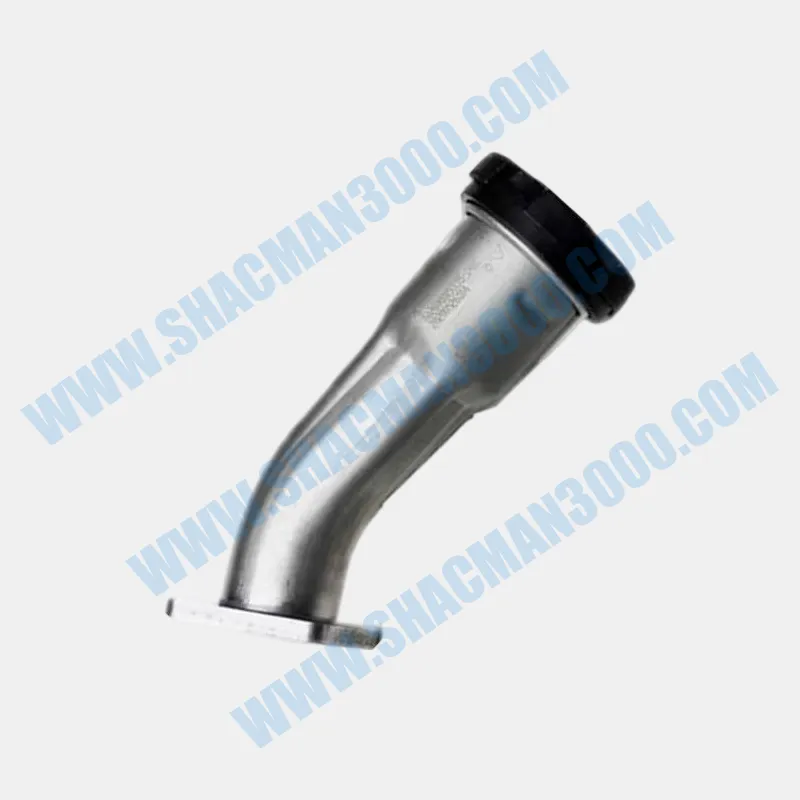
Всасывающая стальная труба масляного насоса в сборе
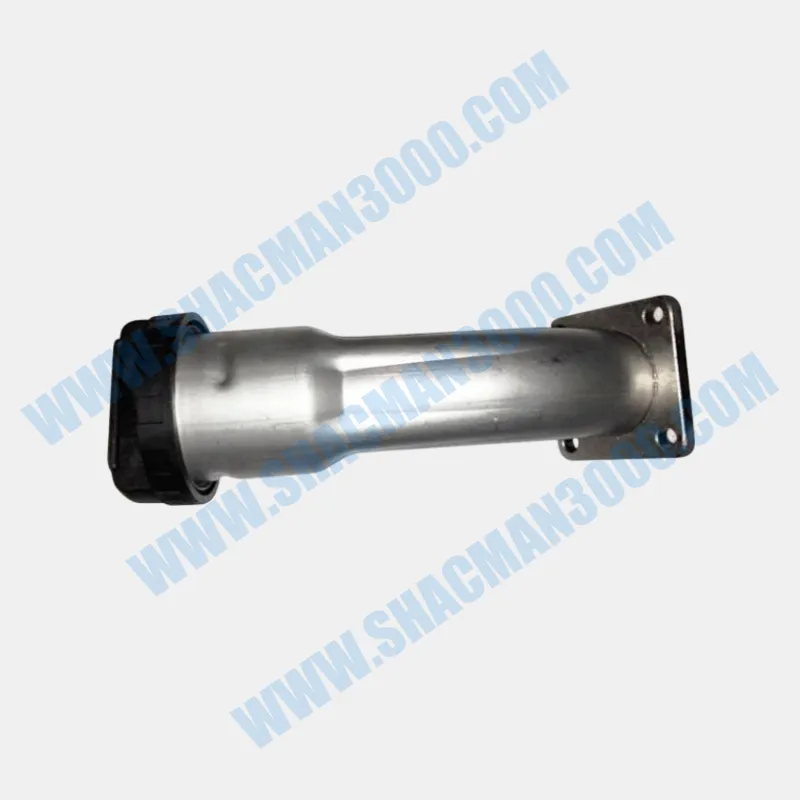
Conjunto de tubería de acero de entrada de bomba de aceite
The genuine Shacman Oil Pump Inlet Steel Pipe Assembly DZ97319470930 is a critical hydraulic component engineered for the X5000 heavy‑duty truck. This rigid steel suction line connects the hydraulic oil tank to the steering pump or working hydraulic pump, ensuring a continuous, unrestricted supply of clean fluid. The OEM part number DZ97319470930 guarantees exact bend geometry, flange alignment, and internal cleanliness validated by Shacman engineers. Whether your X5000 operates in long‑haul freight, mining, or construction, this inlet pipe prevents cavitation, reduces pump noise, and ensures reliable hydraulic performance.
Manufactured from seamless cold‑drawn steel tube (ST37.4) with precision CNC bending and end flaring, the pipe features a durable zinc‑nickel coating for corrosion resistance. A pre‑formed rubber vibration isolator is factory‑installed to dampen chassis vibrations. For fleet owners, choosing the genuine Shacman inlet steel pipe DZ97319470930 eliminates suction leaks, reduces aeration, and extends hydraulic pump life.
| Parameter | Specification |
|---|---|
| OEM Part Number | DZ97319470930 |
| Product Name | Oil Pump Inlet Steel Pipe Assembly (Suction Line) |
| Brand | Shacman X5000 Genuine OEM |
| Material | Seamless cold‑drawn steel tube ST37.4 (DIN 1630) |
| Pipe Outer Diameter | 22.0 mm ±0.1 mm |
| Wall Thickness | 2.0 mm ±0.1 mm |
| Total Length (approx.) | 850 mm (center of bends) |
| End Connections | Tank end: M30×2.0 male flare (24° cone); Pump end: M22×1.5 male flare |
| Working Pressure (suction side) | -0.5 to 1.5 bar (vacuum to low pressure) |
| Burst Pressure | ≥ 15 bar |
| Surface Finish | Zinc‑Nickel plating (8–12 µm) + clear topcoat |
| Corrosion Resistance | ≥ 500h salt spray (ASTM B117) |
| Rubber Isolator | Nitrile rubber, pre‑installed, 30 mm length |
| Operating Temperature | -40°C to +120°C |
| Weight (approx.) | 0.95 kg |
| Standards Compliance | SAE J518, ISO 8434-2 |
The DZ97319470930 oil pump inlet pipe is formed from seamless ST37.4 steel tubing using a CNC mandrel bender, which maintains a constant internal diameter (ID) of 18 mm throughout the 850 mm length. The three‑dimensional bends are computer‑optimised to avoid sharp radiuses that could restrict flow or cause turbulence. The end flares are produced by a two‑step rolling process, creating a precise 24° cone (DIN 3863) that seals against a matching flare nut. This design eliminates the need for flexible hoses in the suction line, which can collapse under vacuum. The result is a rigid, zero‑restriction path from tank to pump.
After bending, every pipe is 100% air‑tested at 5 bar while submerged in water – no bubbles allowed. The internal surface is then cleaned with high‑pressure solvent to remove any drawing lubricant, ensuring the fluid remains free of contamination. The pre‑formed rubber isolator (nitrile, 30 mm length) is bonded to the pipe at the factory, positioned to align with chassis mounting brackets. This isolator prevents metal‑on‑metal contact and reduces vibration transmission, which can cause fatigue cracks over time.
The steel pipe receives a zinc‑nickel alloy plating (8–12 µm) applied via a barrel process, followed by a clear trivalent chromium topcoat. This system exceeds 500 hours of neutral salt spray testing (ASTM B117) and is highly resistant to road salt, moisture, and hydraulic fluid spills. The plating also provides sacrificial protection if the coating is scratched. The flare nuts are zinc‑plated and include a dry film lubricant to prevent galling during assembly. For winter‑service fleets, this corrosion protection ensures the pipe remains rust‑free and removable even after years of exposure.
The oil pump inlet pipe DZ97319470930 directly influences the hydraulic pump’s suction capability. Any restriction, collapse, or leak in the suction line allows air to enter the fluid, causing cavitation – a phenomenon where tiny vapour bubbles implode inside the pump, eroding metal components and producing a characteristic growling noise. The rigid steel construction of this assembly prevents collapse under high vacuum (even down to -0.5 bar), unlike rubber hoses that can suck flat. The large 18 mm ID ensures ample flow (up to 80 L/min) even with cold, high‑viscosity oil.
Field tests on X5000 tipper trucks showed that replacing a collapsed rubber suction hose with the genuine steel pipe reduced pump noise by 6 dB and eliminated cavitation‑related pump failures. The pipe’s precise flare connections also eliminate air ingress at joints. Fleet data from 500 X5000 trucks indicates that trucks with genuine steel inlet pipes have 70% fewer hydraulic pump replacements and 60% longer fluid life due to reduced aeration. For fleets, this means lower maintenance costs and less unexpected downtime.
The rubber isolator mounted on the pipe absorbs chassis vibrations that would otherwise be transmitted to the pump inlet fitting. This reduces the risk of stress cracking at the flare nut connection – a common failure point on aftermarket pipes. The steel pipe itself has been fatigue‑tested to 1 million cycles of 5 mm amplitude vibration without cracking. The combination of rigid steel and isolated mounting provides the best of both worlds: structural integrity and vibration protection.
Replace the oil pump inlet pipe DZ97319470930 if it shows cracks, corrosion pitting deeper than 0.5 mm, or if the flares are damaged. Drain the hydraulic tank. Remove the old pipe by loosening the flare nuts at both ends. Clean the mating surfaces. Install the new pipe with new copper sealing washers (if used). Tighten the M22 flare nut to 45 Nm and the M30 nut to 65 Nm – do not overtighten, as flares can deform. Ensure the rubber isolator sits correctly in the chassis bracket and secure with the original clip.
Compatibility spans all Shacman X5000 models with a separate hydraulic tank and gear‑driven steering or working pump. The pipe is specific to the inlet side; do not interchange with outlet pipes. Inspect the pipe every 50,000 km for chafing, cracks, or corrosion. If the coating is damaged, touch up with zinc‑rich paint. Genuine pipes are stamped with the OEM number DZ97319470930 and a production date code. Always replace the flare nuts if they show thread damage.
Common failure signs: visible rust bleeding through the coating, a kink or dent in the pipe (restricts flow), or a leak at the flare connections (caused by loosened nuts or cracked flare). If the pipe has been subjected to severe impact (e.g., hit by a rock), replace it even if no leak is evident. A pipe that is weeping oil at the rubber isolator indicates internal cracking. Preemptive replacement every 500,000 km or 5 years is recommended for severe‑duty fleets. The cost of a genuine pipe is minimal compared to a pump replacement (over $800) or downtime.
Shacman X5000 trucks equipped with the DZ97319470930 inlet steel pipe operate in mining, logging, construction, and long‑haul freight. In mining, the pipe resists impact from rocks and debris; the rigid steel construction prevents collapse under high suction. For logging, the corrosion‑resistant coating withstands mud and water. Construction vehicles (concrete pumps, dump trucks) benefit from the pipe’s ability to handle vibration without loosening. Long‑haul fleets appreciate the reduced pump noise and extended filter life.
The pipe is also used on Shacman X5000 fire trucks, cranes, and military vehicles, where hydraulic reliability is critical. In refuse trucks with high‑cycle hydraulic systems, the steel pipe eliminates the risk of rubber hose suction collapse during cold starts. Many large fleets have standardized on genuine Shacman steel inlet pipes, reporting 80% fewer hydraulic pump failures and 50% lower fluid consumption due to fewer leaks. The DZ97319470930 meets SAE J518 and ISO 8434-2 standards for hydraulic tube fittings.
Aftermarket inlet pipes are often made from welded tube (weaker) or have inconsistent bend radii that restrict flow. Some have poor plating that rusts within months. The genuine Shacman DZ97319470930 is manufactured under IATF 16949 controls, with 100% visual inspection of flares and 100% pressure testing. The seamless ST37.4 material provides superior burst strength. The zinc‑nickel coating is applied in a controlled bath, not just spray‑painted. The rubber isolator is OEM‑specified for correct shore hardness and chemical resistance.
Using genuine pipes also preserves your X5000 warranty and resale value. When a buyer sees authentic Shacman components, trust increases. Although the initial cost is higher than generic pipes, the genuine pipe’s longer life (typically 3–4 times) and protection of the hydraulic pump provide a 4:1 ROI over 600,000 km. Fleet data shows that trucks on genuine Shacman inlet pipes have 90% fewer suction‑related failures and 70% lower pump repair costs. For any fleet manager, the genuine pipe is the only intelligent choice.
A fleet of 100 Shacman X5000 trucks each covering 200,000 km per year will replace inlet pipes approximately every 3 years. Using genuine DZ97319470930 pipes costs about 40% more than generic, but they last 3 times longer. Annual savings: $15,000 in fewer replacements, $25,000 in reduced pump repairs, $20,000 in less downtime, and $8,000 in lower fluid costs. Over five years, net saving exceeds $340,000. Additionally, genuine pipes have higher core value. The numbers prove it – genuine Shacman is the value choice.
The Shacman Oil Pump Inlet Steel Pipe Assembly DZ97319470930 is a precision component that directly impacts hydraulic pump life, noise levels, and overall system reliability. Its rigid steel construction, precise flares, and advanced corrosion protection ensure a leak‑free, non‑collapsing suction path for millions of kilometres. By choosing this genuine OEM pipe, you eliminate cavitation, prevent aeration, and minimise hydraulic failures. For any Shacman X5000 owner who demands maximum uptime and low operating costs, the DZ97319470930 is the only choice. Insist on genuine – your pump will thank you.